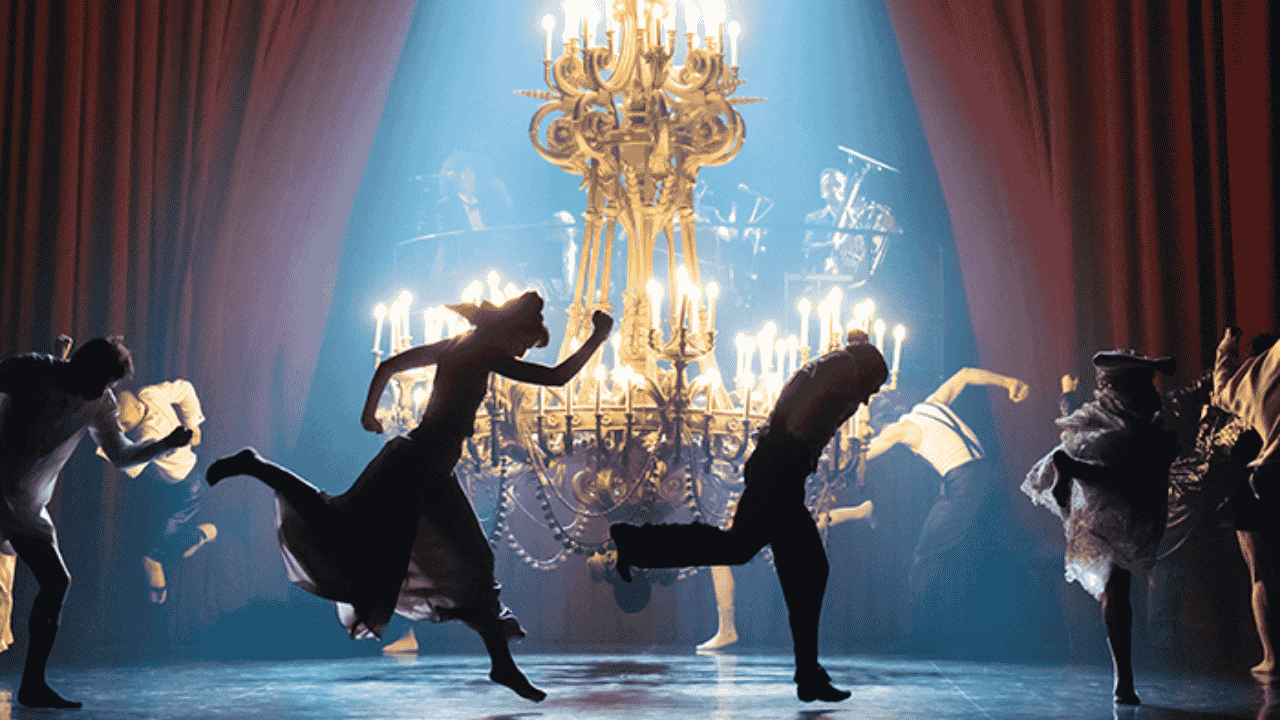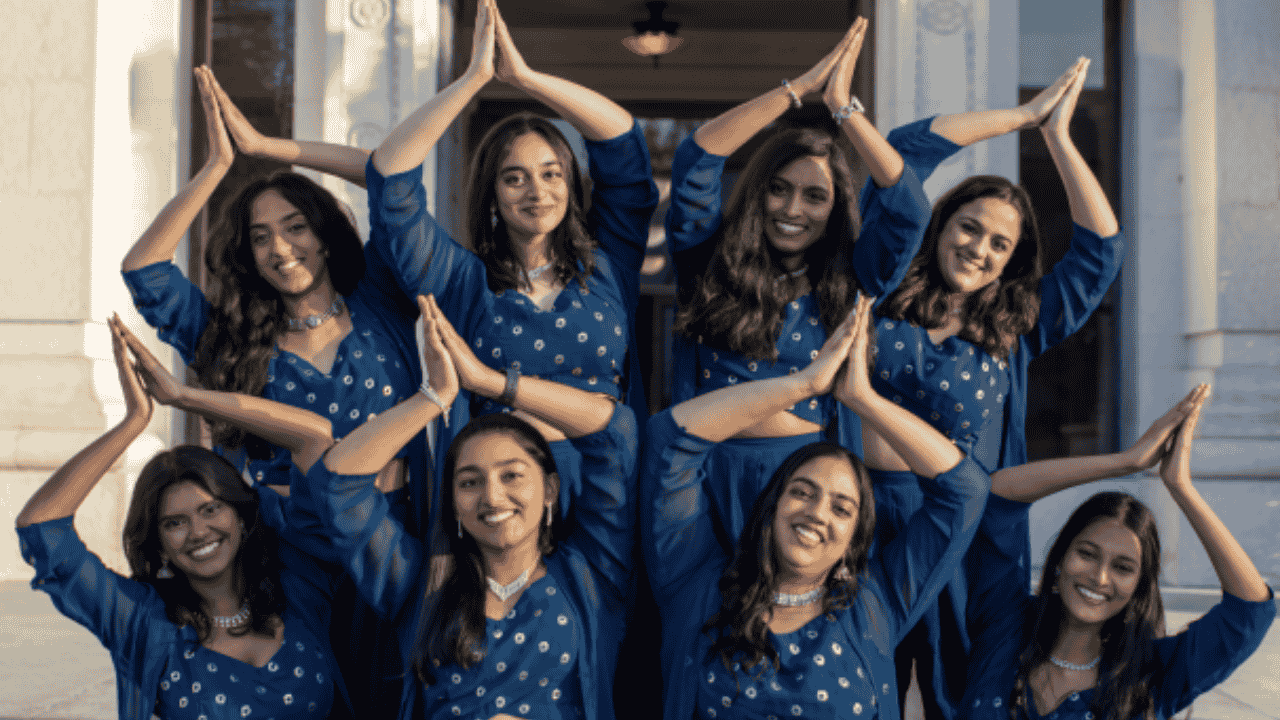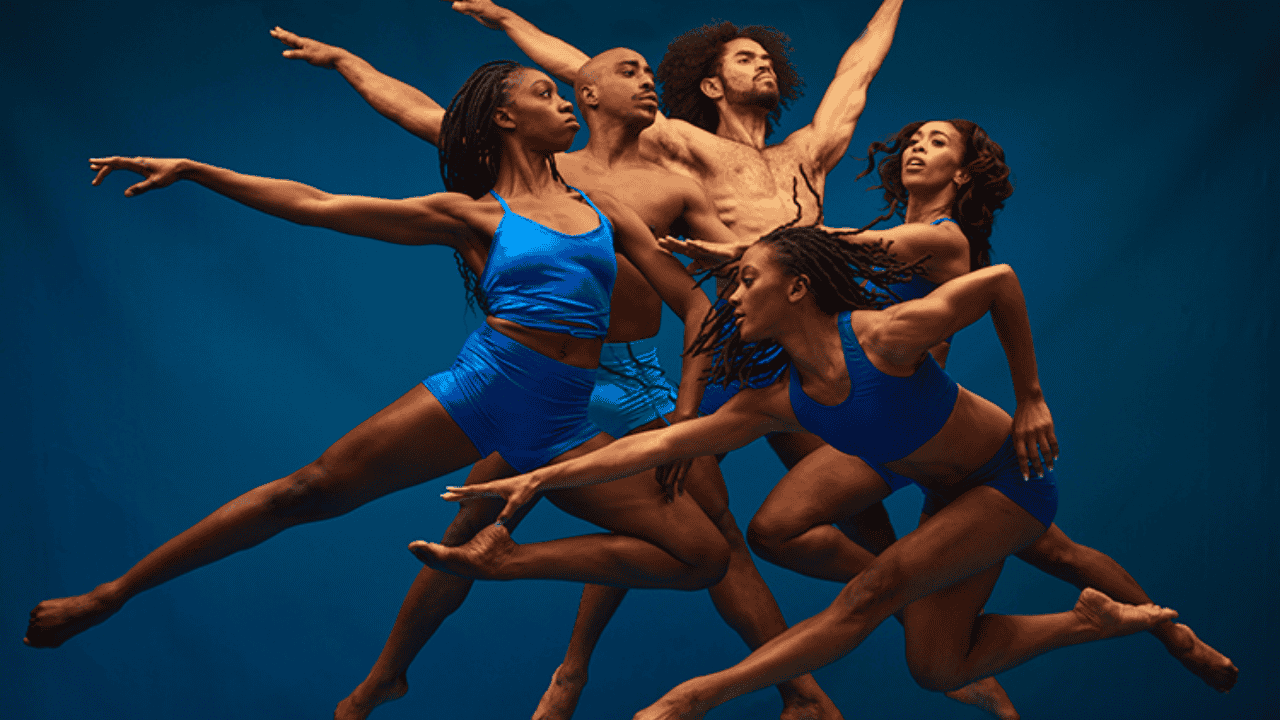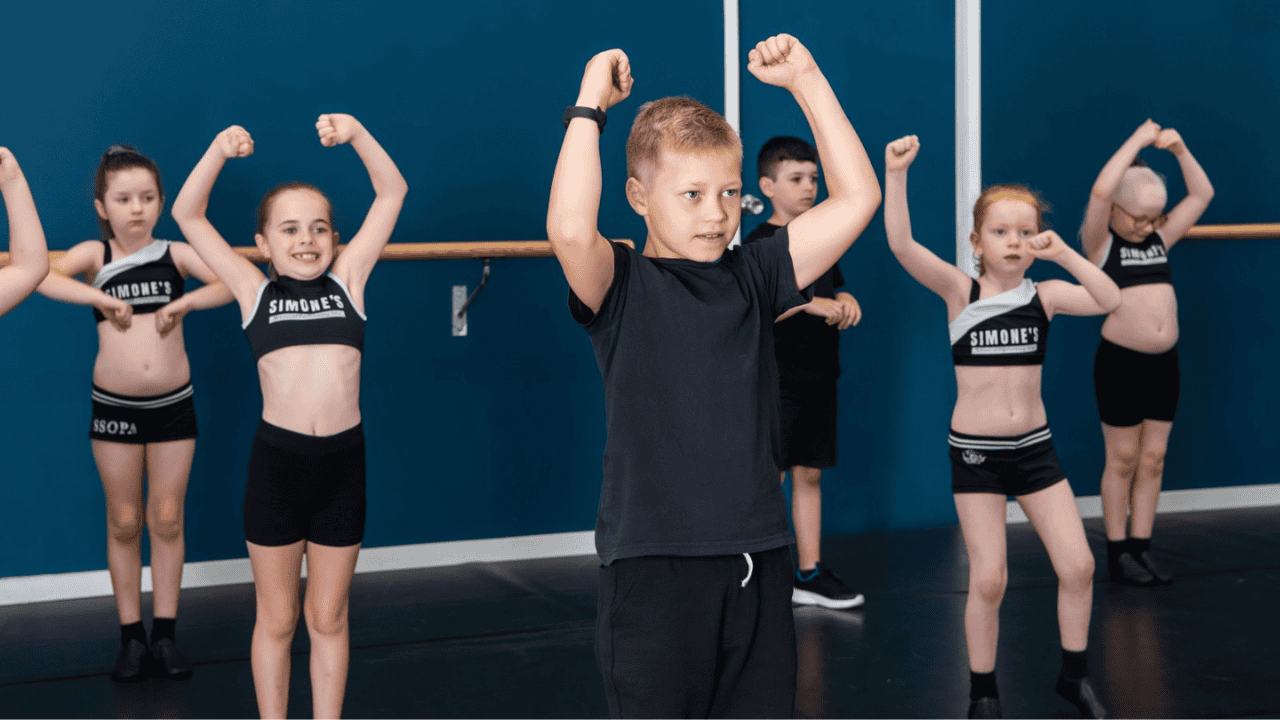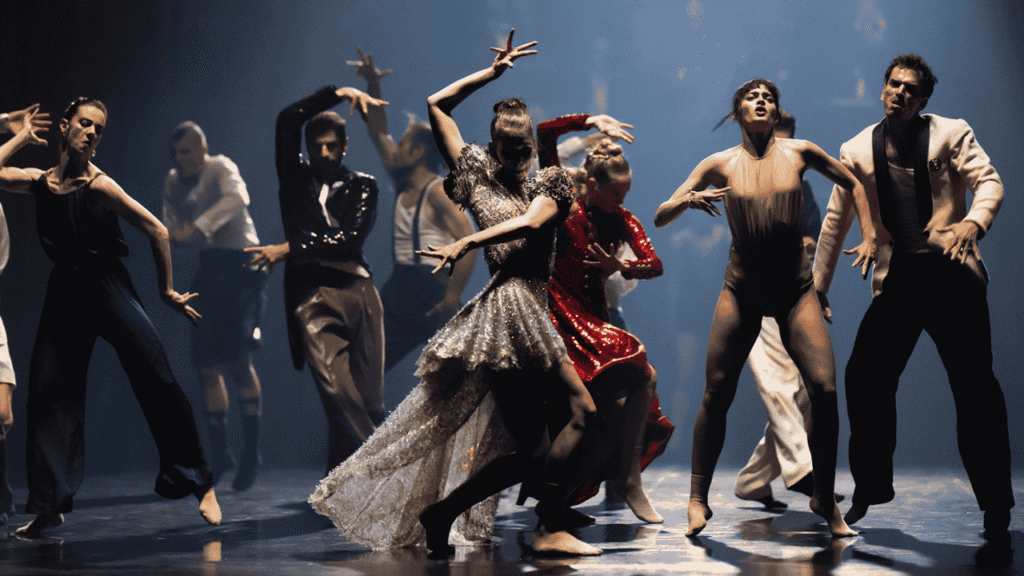
The Berkeley dance community stands as a dynamic and inclusive network where movement becomes a means of artistic expression, cultural exchange, and social connection. Rooted in the city’s long history of creativity and activism, this community encompasses a wide range of styles, venues, and contributors. This complete guide explores the historical evolution, cultural impact, learning environments, performance ecosystems, and the key contributors who shape Berkeley’s vibrant dance scene.
Table of Contents
Community Overview
| Aspect | Details |
|---|---|
| Origins | 1960s cultural movements, experimental art scenes |
| Core Styles | Contemporary, hip-hop, ballet, improvisational, folk |
| Main Venues | Studios, parks, theaters, community centers |
| Participation | All ages, all skill levels |
| Values | Inclusivity, creativity, collaboration |
Cultural Roots
Berkeley’s identity as a cradle for countercultural movements in the 1960s provided fertile ground for experimental and community-oriented dance practices. At the intersection of political activism, academic inquiry, and artistic exploration, dance became not just performance but a form of expression tied to broader social dialogues. Early gatherings combined movement with calls for civil rights, peace, and personal liberation, embedding a belief that dance could both reflect and shape cultural change.
The influence of global traditions—brought by international artists and diasporic communities—further diversified Berkeley’s dance palette. African diasporic rhythms, Asian classical forms, and Latin American folkloric movement traditions all found audiences and practitioners eager to learn and innovate. Over time, this cultural fusion fostered a dance environment characterized by fluidity, experimentation, and a willingness to challenge boundaries.
Learning Spaces
- Studio Classes: Professional instructors offer technique training in classical and contemporary forms, emphasizing foundational skills and artistic development.
- Community Workshops: Donation-based or low-cost sessions provide access to movement for all ages and backgrounds, prioritizing participation over performance.
- University Programs: Berkeley and nearby institutions contribute academic perspectives, research opportunities, and experimental collaborations.
- Informal Gatherings: Open jams, park meetups, and peer-led circles encourage improvisation and shared learning.
Access to diverse learning spaces ensures that people at all stages of dance experience can find their place. Studios often focus on structured curricula, while community workshops celebrate accessibility and creative play. University-affiliated classes push boundaries through research-infused practices and interdisciplinary performance projects. Informal gatherings, meanwhile, reinforce the social bond of movement, making dance a shared and joyful practice rather than an achievement to be earned.
Artistic Expression
Berkeley dancers express artistry through both traditional and emerging forms. Many choreographers draw on their cultural heritage, incorporating music, storytelling, and symbolic gestures that reflect personal and collective narratives. Others push into experimental territory, using improvisation and non-narrative movement to explore abstract themes such as identity, environment, and memory.
The aesthetic range in Berkeley is expansive, encompassing work that is:
- Grounded in cultural lineage, honoring ancestral movement vocabularies.
- Driven by innovation, blending street and contemporary techniques.
- Collaborative in nature, integrating music, visuals, and spoken word.
- Site-responsive, performed in parks and unconventional spaces that redefine audience engagement.
This artistic plurality not only broadens the boundaries of dance but also makes Berkeley a hub for creative risk-taking. Performances often emphasize process as much as product, inviting audiences into evolving dialogues rather than polished finales.
Performance Ecosystem
The performance ecosystem in Berkeley supports both emerging and established artists through a range of platforms. Local theaters, gallery spaces, and outdoor festivals host showcases that highlight experimental works alongside community dance events. These opportunities often prioritize visibility for voices traditionally marginalized in mainstream performance circuits.
Audiences in Berkeley are known for their engagement and curiosity, creating environments where artists feel encouraged to present bold and unconventional pieces. Performances may take the form of:
- Solo showcases highlight individual artistic journeys.
- Ensemble productions combining multiple voices and styles.
- Collaborative showcases featuring dance alongside music and visual design.
- Pop-up presentations in public spaces that invite spontaneous interaction.
These performance opportunities reinforce dance as a living art form, present in everyday life and accessible beyond conventional stages.
Social Impact
Dance in Berkeley functions as a tool for community building and social empowerment. Movement programs often intersect with wellness initiatives, addressing mental health, embodied awareness, and collective resilience. Workshops explore themes of identity, trauma, joy, and healing, inviting participants to engage with dance not just as art, but as a pathway to personal insight.
Moreover, many events and classes are structured to dismantle barriers to participation. Affordable pricing models, community-supported scholarships, and donation-based offerings ensure that dance remains inclusive. This commitment to access aligns with Berkeley’s broader cultural ethos—one that values equity, expression, and shared humanity.
Key Contributors
The strength of the Berkeley dance community lies in its people—artists, instructors, organizers, and students who shape its character and direction. While the scene is always evolving, several types of contributors have been particularly influential:
- Pioneering choreographers who introduced new forms and fostered experimental platforms.
- Educators and mentors who nurture emerging talent and create spaces for exploration.
- Community organizers who coordinate inclusive events and support collaborative networks.
- Cultural ambassadors who bring global traditions into local practice.
These contributors often wear multiple hats, teaching classes, producing showcases, and mentoring young artists. Their collective influence ensures a supportive ecosystem where innovation thrives alongside community care.
Community Collaboration
- Shared Spaces: Dance hubs and rehearsal venues where artists exchange ideas.
- Cross-Discipline Projects: Partnerships with musicians, poets, and visual artists.
- Mentorship Networks: Seasoned dancers guiding new practitioners.
- Cultural Exchanges: Events that celebrate global movement traditions.
Collaboration remains a cornerstone of Berkeley’s dance identity. Shared spaces foster dialogue and mutual support, while cross-disciplinary work expands how dance is understood and experienced. Mentorship reinforces community continuity, passing knowledge between generations. Cultural exchanges amplify diverse voices and remind participants that movement is a universal language.
Future Horizons
The Berkeley dance community continues to evolve with shifting cultural landscapes and artistic priorities. There is growing interest in hybrid performance models that integrate technology, multimedia, and immersive engagement. Additionally, community-centered approaches to dance education and performance are gaining momentum, reflecting a deeper commitment to accessibility and equitable participation.
As new voices emerge and traditions adapt, Berkeley’s dance scene remains marked by curiosity, courage, and connection. Movement persists not just as an art form, but as a vital expression of collective identity and social imagination.
Key Takeaways
Sustained by a blend of history, diversity, and innovation, the Berkeley dance community stands as a testament to the power of movement to connect, transform, and uplift. Grounded in inclusivity and enriched by global and local influences, this community invites everyone to dance—whether in studio, on stage, or in shared public spaces. Its enduring vibrancy reflects a deep-rooted belief that dance is both a personal journey and a collective experience.