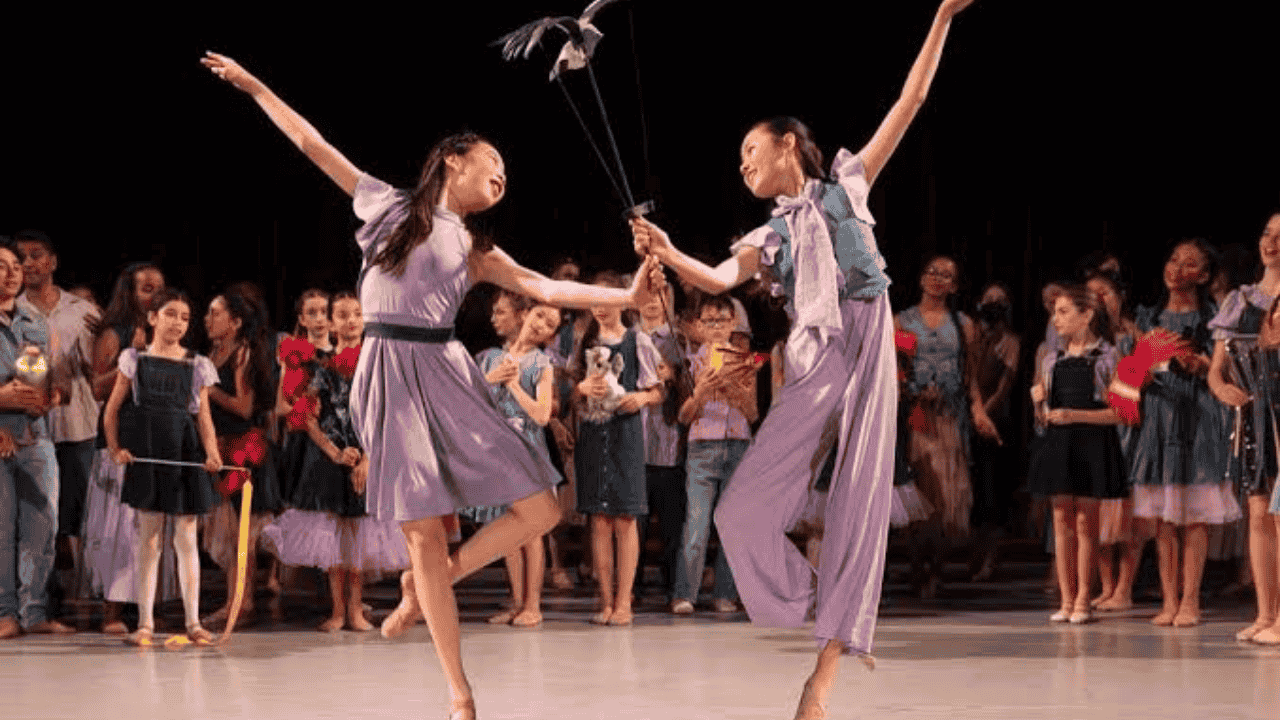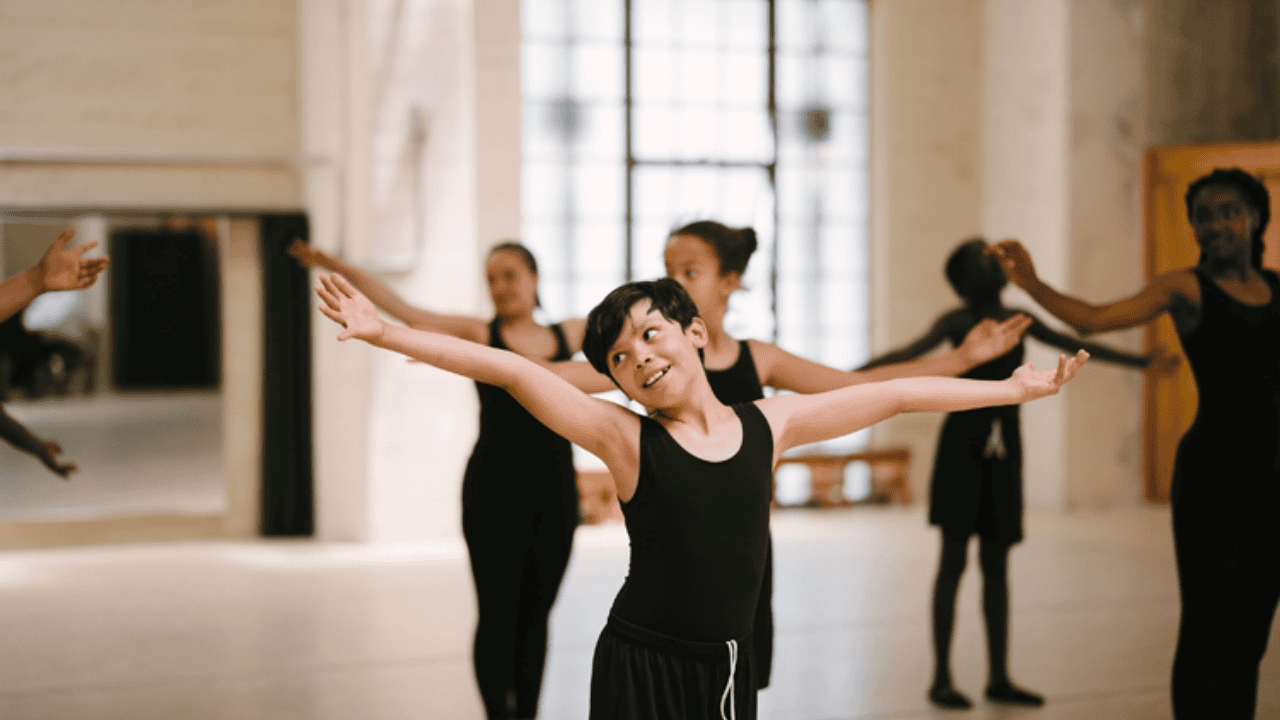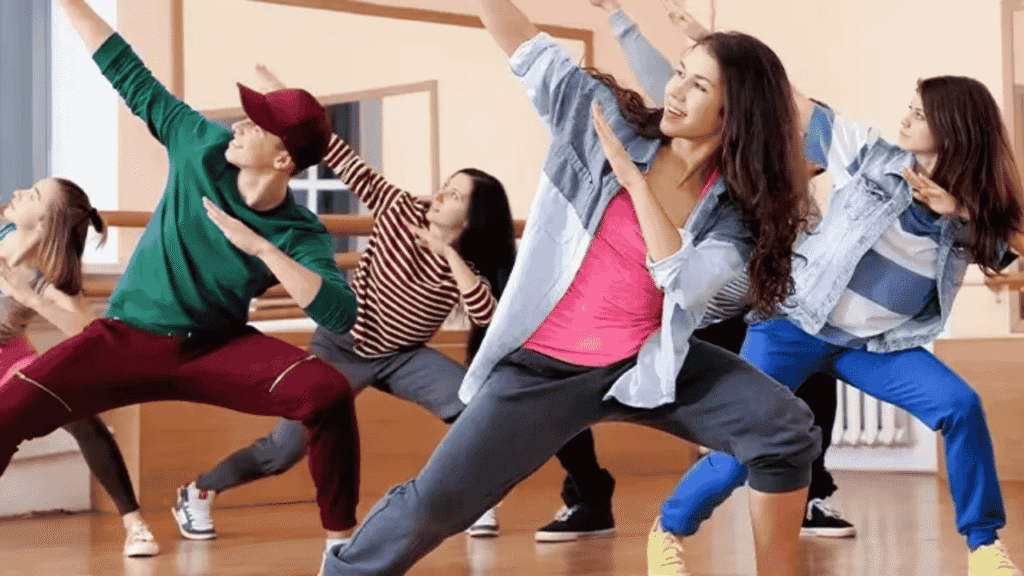
In a world where stress, anxiety, and fast-paced lifestyles have become the norm, people are increasingly seeking natural and enjoyable ways to improve their mental and physical health. One such powerful yet often underestimated method is dance. More than just an art form or a recreational activity, dance has emerged as a therapeutic tool that promotes overall well-being. Known as dance therapy or movement therapy, it combines physical movement with emotional expression to support both the body and the mind.
Table of Contents
What Is Dance Therapy?
Dance therapy, also referred to as Dance Movement Therapy, is a form of psychotherapy that uses movement to help individuals achieve emotional, cognitive, physical, and social integration. It is based on the idea that the body and mind are interconnected, and that movement can reflect and influence emotional states.
Unlike traditional dance classes, dance therapy does not focus on technique or performance. Instead, it encourages free expression, allowing individuals to move in ways that feel natural and meaningful to them.
The Connection Between Movement and the Mind
The human body stores emotions, and physical movement can help release them. When we dance, our brain releases endorphins—often called “feel-good” hormones—which naturally improve mood and reduce stress.
Dance also activates multiple areas of the brain, including those responsible for memory, coordination, and emotional regulation. This makes it a holistic activity that benefits both mental and physical health simultaneously.
Physical Benefits of Dance Therapy
One of the most obvious advantages of dance is its positive impact on physical health. Regular movement improves cardiovascular fitness, flexibility, strength, and coordination.
Dance therapy can also:
- Enhance balance and posture
- Increase energy levels
- Support weight management
- Improve motor skills
For individuals who find traditional exercise routines boring or difficult to maintain, dance offers a fun and engaging alternative.
Mental and Emotional Benefits
Dance therapy is particularly effective in improving mental health. It provides a safe space for individuals to express emotions that may be difficult to put into words.
Some key emotional benefits include:
- Reduction in stress and anxiety
- Improved mood and self-esteem
- Better emotional regulation
- Release of suppressed feelings
By allowing the body to move freely, individuals can process emotions more naturally and develop a deeper connection with themselves.
Social and Psychological Impact
Dance is often a shared experience, which makes it a powerful tool for building social connections. Group dance sessions encourage interaction, cooperation, and a sense of belonging.
This is especially beneficial for individuals dealing with loneliness or social anxiety. Participating in group movement activities can help improve communication skills and boost confidence in social settings.
Dance Therapy for Different Age Groups
Dance therapy is versatile and can be adapted for people of all ages.
- Children: Helps improve focus, emotional expression, and social skills.
- Adults: Reduces stress, enhances creativity, and promotes work-life balance.
- Elderly: Supports mobility, memory, and overall quality of life.
It is also widely used in clinical settings to support individuals dealing with conditions such as depression, trauma, and neurological disorders.
Incorporating Dance into Daily Life
You don’t need a professional setting to experience the benefits of dance. Simple activities can make a big difference:
- Dancing to your favorite music at home
- Joining a local dance class
- Participating in online dance sessions
- Practicing mindful movement or freestyle dancing
The key is consistency and allowing yourself to move without judgment.
Why Dance Stands Out as Therapy
Unlike many other forms of therapy, dance engages both the body and the mind simultaneously. It does not rely solely on verbal communication, making it accessible to people who may struggle to express their emotions through words.
Additionally, dance is enjoyable, which increases the likelihood of long-term commitment. When therapy feels like a fun activity rather than a task, individuals are more likely to continue and benefit from it.
Conclusion
Dance therapy is a powerful and holistic approach to improving well-being. By combining movement, emotion, and creativity, it offers a unique way to enhance both physical and mental health. Whether practiced individually or in a group, dance provides a safe and enjoyable outlet for self-expression and healing.
In today’s busy and often stressful world, incorporating dance into your routine can be a simple yet effective step toward a healthier and happier life. Sometimes, all it takes is a little movement to create a big change.