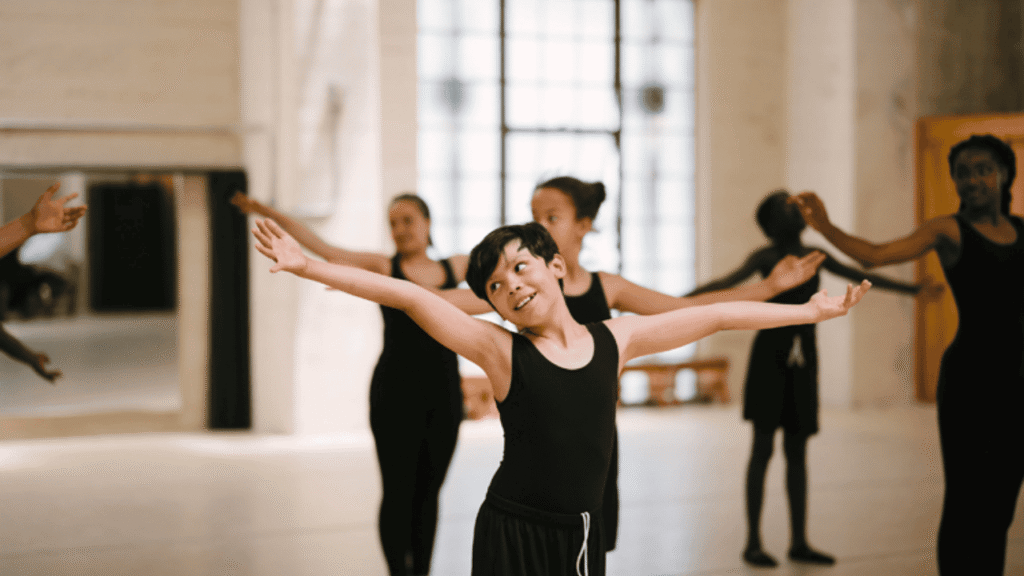
In Berkeley, dance is more than movement—it is a medium for connection, cultural exchange, and social cohesion. From university students to longtime community members, dancers share how participating in local classes, performance groups, and social events has fostered friendships, collaboration, and a strong sense of belonging. By weaving together creativity, shared goals, and mutual support, Berkeley’s dance community demonstrates the power of movement to unite people across backgrounds and generations.
Table of Contents
Community Building Overview
| Community Aspect | How Dance Contributes |
|---|---|
| Social Bonds | Partner work, group classes, and team performances create lasting friendships |
| Cultural Exchange | Classes in Latin, West African, Indian, and contemporary dance foster intercultural understanding |
| Youth Engagement | Programs for children and teens build confidence, teamwork, and mentorship opportunities |
| Public Performance | Festivals, showcases, and outdoor events invite community participation and collective pride |
| Support Networks | Dance groups provide emotional support, encouragement, and shared creative experiences |
Social Bonds Through Shared Movement
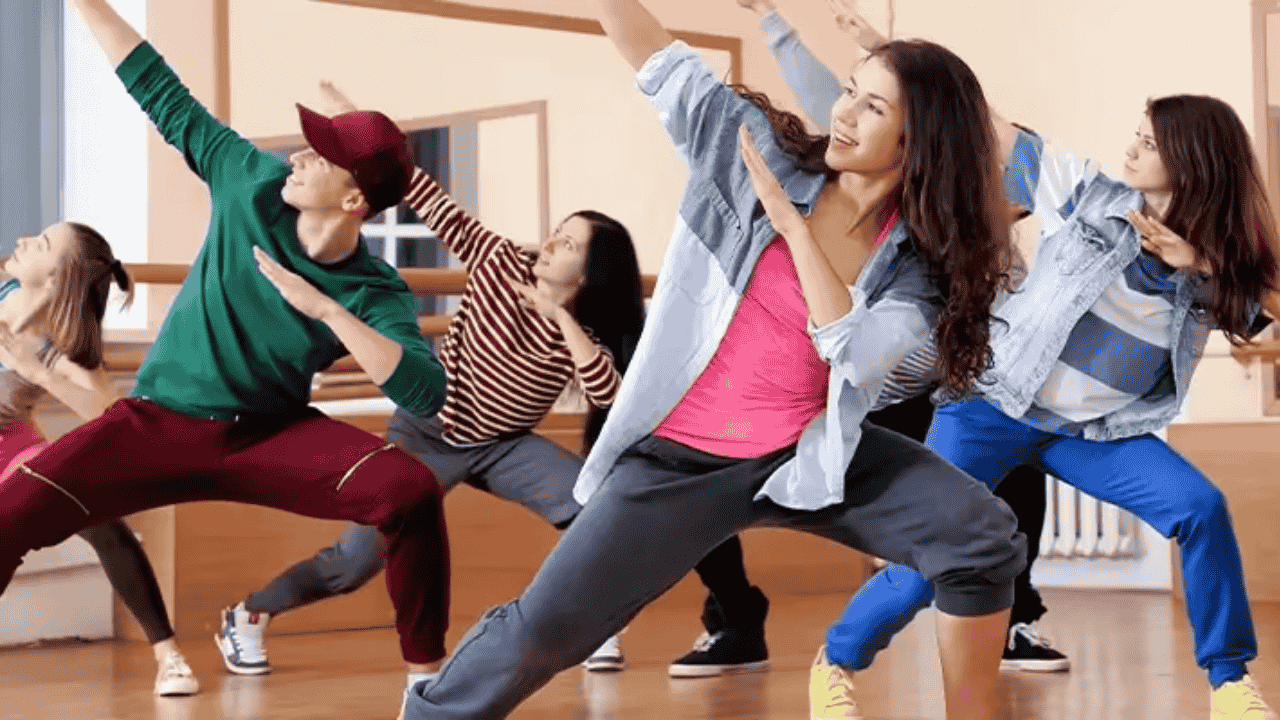
Berkeley dancers often describe the friendships formed in classes and rehearsal spaces as a central part of their experience. Group classes, partner dances, and ensemble rehearsals create opportunities for collaboration, trust-building, and mutual encouragement. Whether learning choreography or improvising together, participants develop connections that extend beyond the studio.
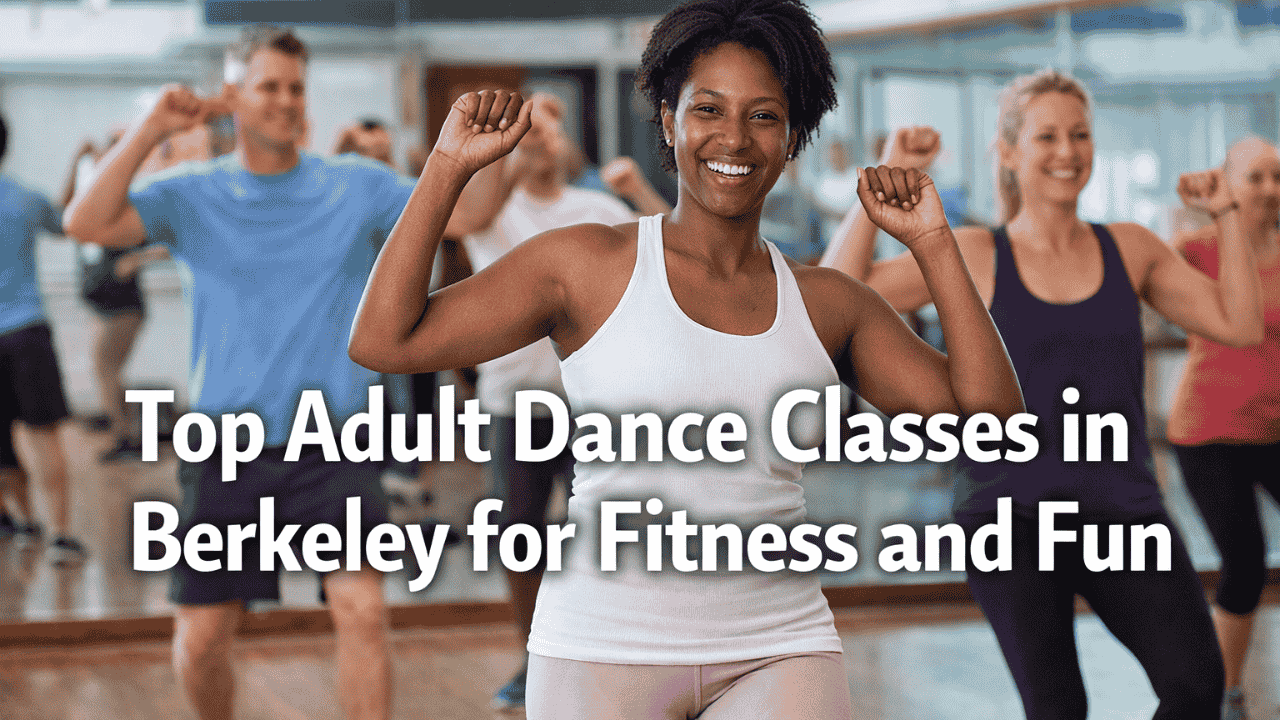
Many local dancers highlight that the sense of camaraderie and support helps combat isolation, especially for students and newcomers to the city. Dance fosters an inclusive environment where individuals of diverse backgrounds can share a common language through movement.
Cultural Exchange and Inclusion
Dance classes in Berkeley emphasize cultural diversity and global movement traditions, from Afro-fusion and West African to Indian classical, Latin, and contemporary forms. Learning and performing these styles provides participants with insight into different cultures, histories, and artistic philosophies.
Cultural dance events, festivals, and collaborative workshops encourage students and community members to engage with unfamiliar traditions. This exchange not only strengthens cultural understanding but also broadens creative expression and appreciation for the global dance community.
Youth Engagement and Mentorship
Programs designed for children and teens play a key role in building community. Youth dance classes teach collaboration, communication, and discipline while providing creative outlets. Older students and adult dancers often serve as mentors, guiding younger participants and creating intergenerational connections.
Local success stories highlight how youth involvement in dance fosters confidence, resilience, and leadership skills. Many participants return to volunteer or teach, perpetuating a cycle of mentorship and community growth.
Public Performances and Collective Pride
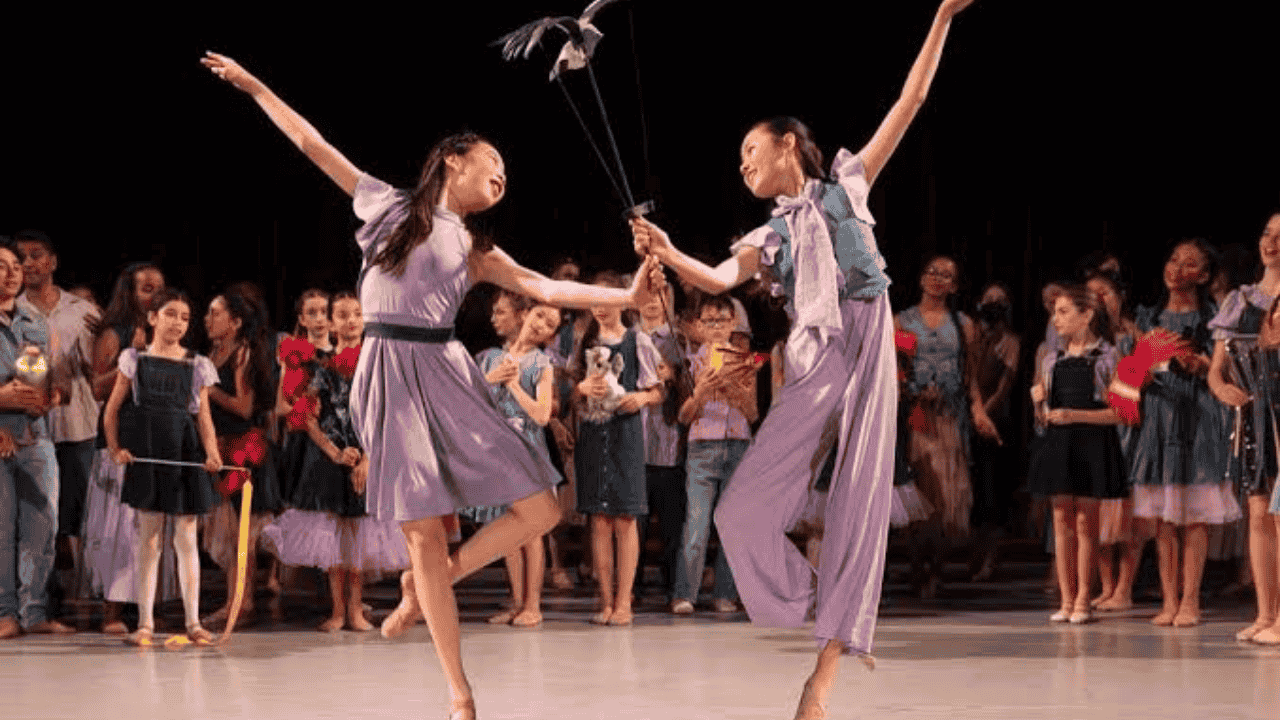
Festivals, showcases, and outdoor dance events invite the broader Berkeley community to participate in or observe performances. These public presentations foster a sense of pride, inclusion, and shared accomplishment, as audiences celebrate both professional productions and community-driven projects.
Dance in public spaces also strengthens community engagement, making art accessible to all and encouraging participation across age groups, abilities, and social backgrounds. These shared experiences create memorable connections and reinforce the communal value of dance.
Support Networks and Emotional Connection
Many dancers in Berkeley emphasize the emotional support gained through regular participation in dance communities. Beyond fitness or artistic goals, studios and groups offer encouragement, mentorship, and a safe space to explore personal expression.
Shared challenges, such as mastering choreography or preparing for performance, build resilience and empathy among participants. Dance becomes a conduit for communication, emotional processing, and collective growth, strengthening mental and social well-being.
Closing Perspectives
Dance in Berkeley continues to thrive as a platform for community building, inclusion, and cultural exchange. Whether through collaborative projects, intergenerational mentorship, or public festivals, local dancers demonstrate how movement can create connections that transcend boundaries. Stories from students, professionals, and community members reveal that dance is not only a form of artistic expression but also a catalyst for social cohesion, support, and shared joy.
Berkeley’s dance community exemplifies how shared movement fosters meaningful relationships, nurtures cultural understanding, and strengthens the city’s creative and social fabric. Through dance, individuals find not only physical activity and artistic fulfillment but also enduring connection and belonging.