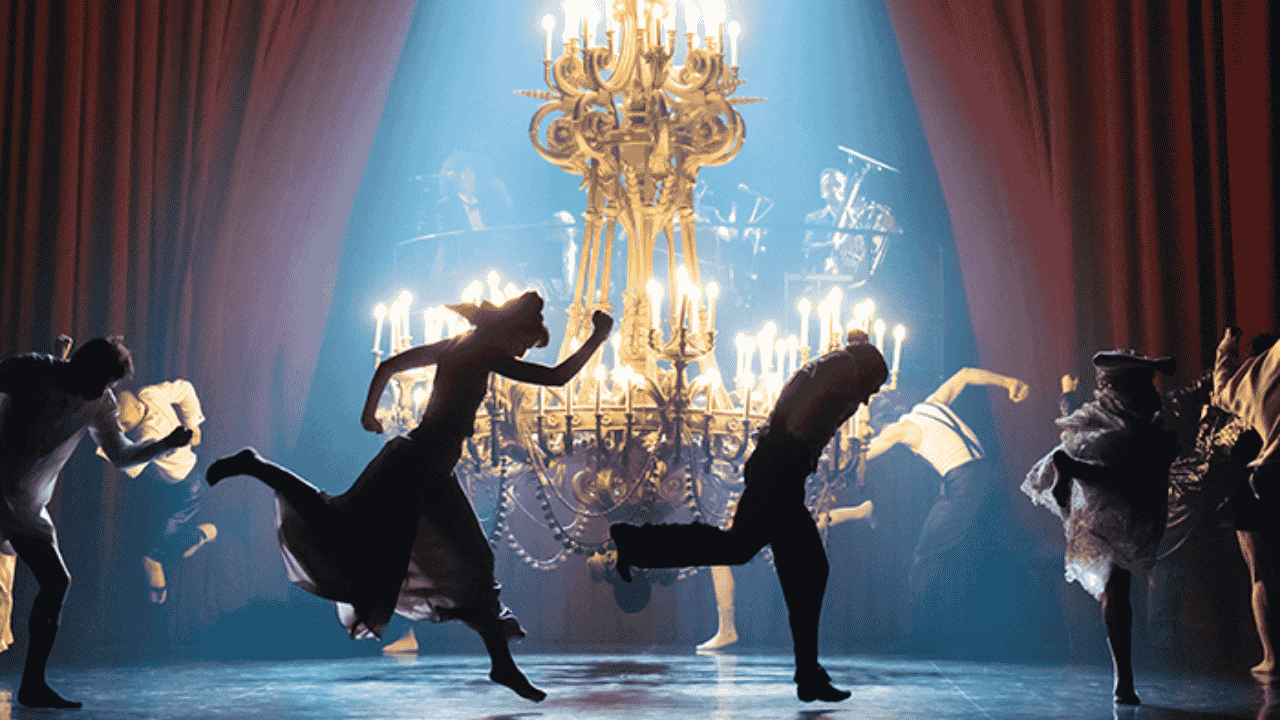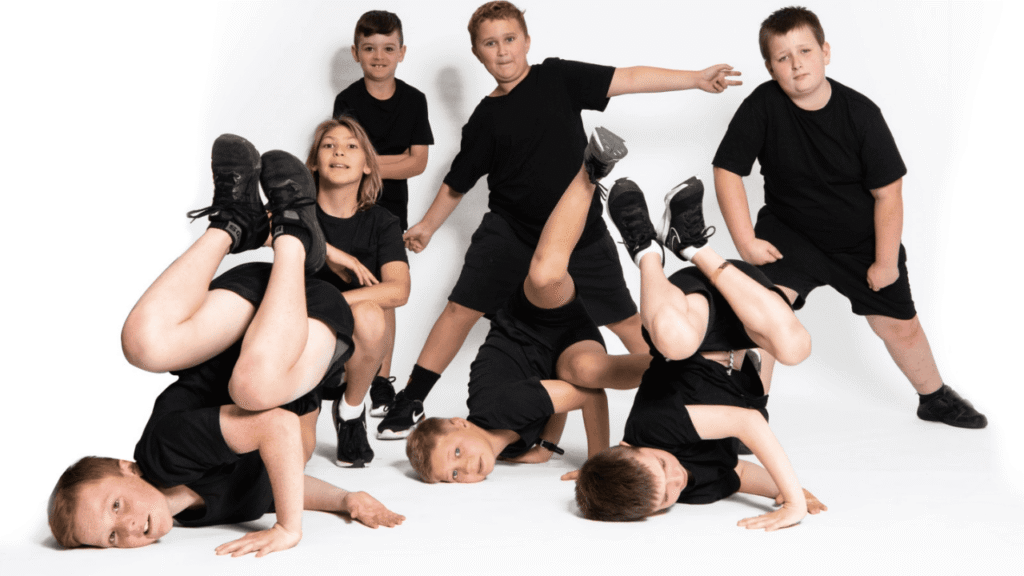
Dance education in Berkeley schools reflects the city’s long-standing commitment to creativity, inclusion, and whole-child development. Movement is not treated as an extracurricular luxury but as an essential part of learning that supports academic growth, emotional well-being, and cultural awareness.
By integrating dance into school programs, Berkeley provides students with opportunities to explore self-expression, collaboration, and physical literacy. These benefits extend beyond the classroom, shaping confident learners who are engaged both intellectually and creatively.
Table of Contents
Program Overview
| Focus Area | Details |
|---|---|
| Educational Role | Integrated arts-based learning |
| Student Impact | Physical, emotional, and cognitive growth |
| Grade Levels | Elementary through high school |
| Teaching Approach | Inclusive and culturally responsive |
| Community Link | Schools connected to local arts culture |
Academic Support
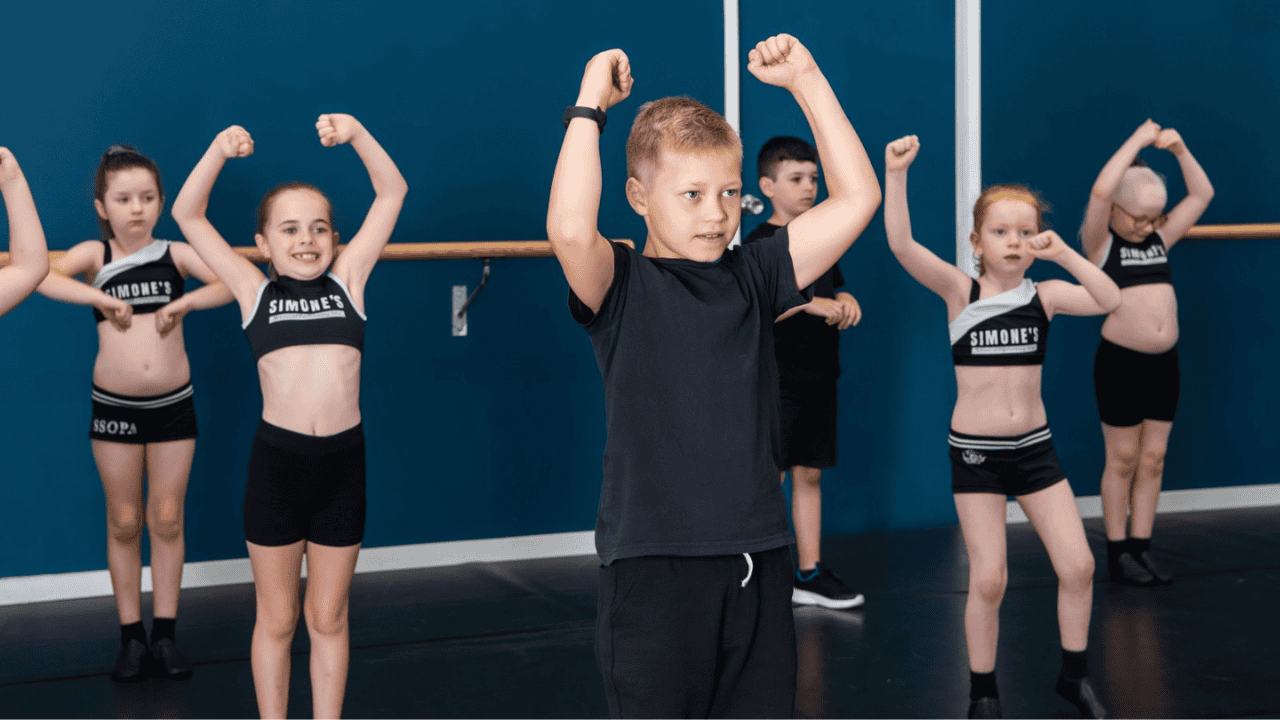
Dance education enhances academic learning by strengthening focus, memory, and problem-solving skills. Movement-based instruction helps students understand patterns, sequencing, and spatial awareness, which directly supports subjects such as mathematics and language development. Physical engagement also improves attention spans, especially for younger learners.
In Berkeley classrooms, dance is often integrated with core subjects to reinforce concepts through embodied learning. This approach benefits diverse learning styles, allowing students who struggle with traditional instruction to access material through movement and creativity.
Physical Development
- Improved coordination and balance
- Strength and flexibility building
- Healthy posture and body awareness
- Positive lifelong movement habits
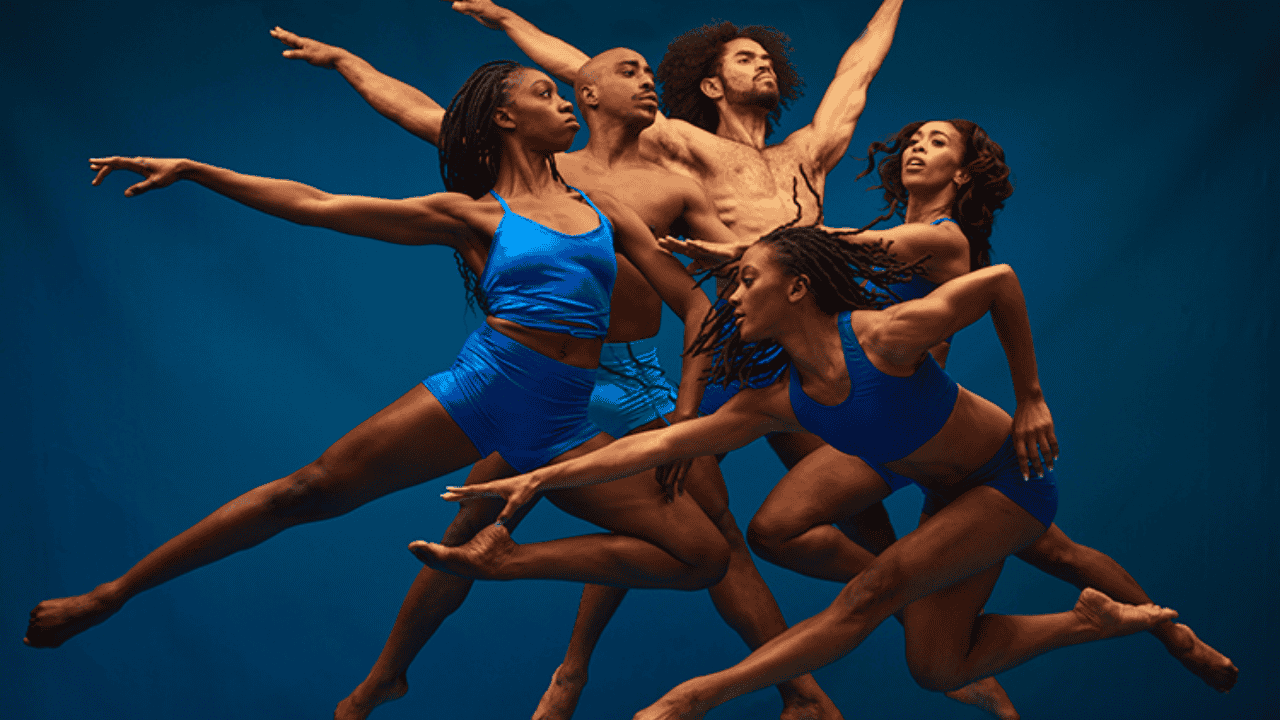
Regular dance practice promotes physical fitness while being accessible to students with varying athletic abilities. Unlike competitive sports, dance emphasizes personal progress and awareness rather than comparison. This makes it especially effective for students who may feel excluded from traditional physical education settings.
Emotional Growth
Dance provides students with a safe outlet for emotional expression. Through movement, children and teens can process feelings that may be difficult to articulate verbally. This emotional release supports mental well-being and helps students manage stress and anxiety.
In Berkeley schools, dance education often emphasizes reflection and self-awareness. Students learn to recognize emotions in themselves and others, strengthening empathy and emotional intelligence. These skills are essential for building resilience and healthy interpersonal relationships.
Cultural Awareness
- Exposure to global dance traditions
- Respect for diverse cultural expressions
- Understanding history through movement
- Celebration of identity and heritage
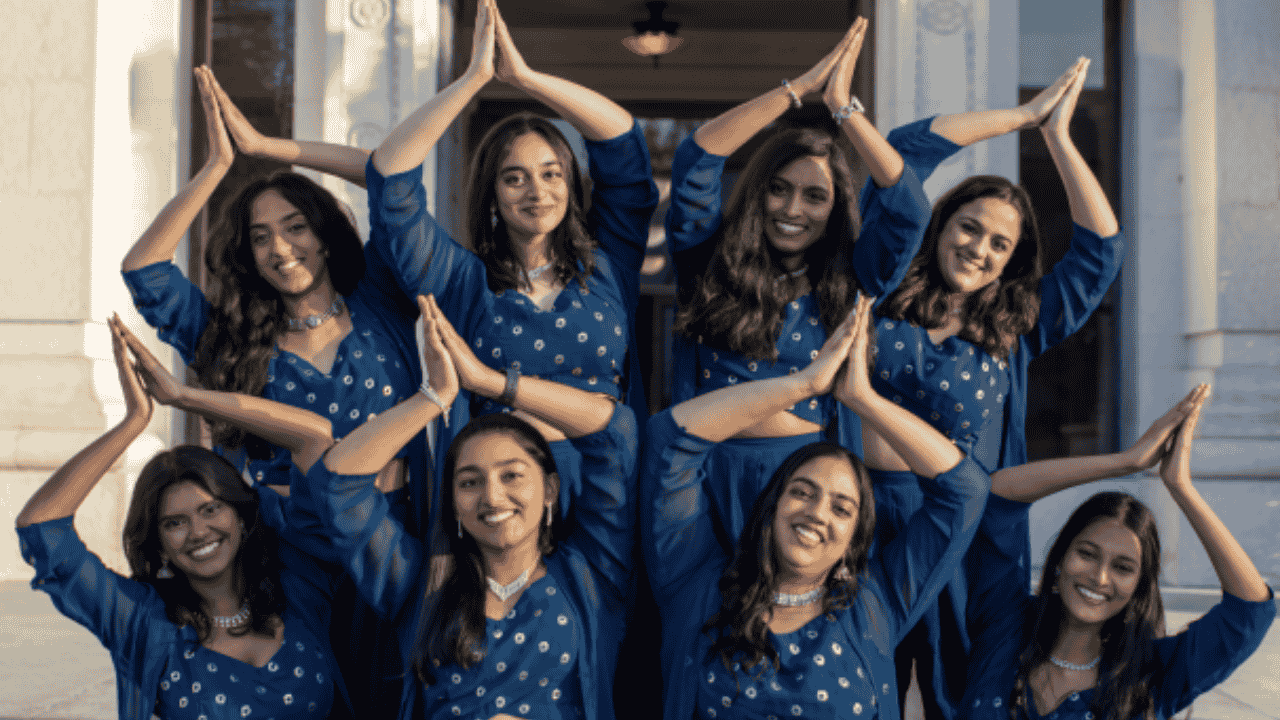
Dance education introduces students to a wide range of cultural traditions, fostering respect and curiosity. Berkeley’s diverse population enriches this learning, allowing students to experience movement rooted in different histories and communities. Dance becomes a bridge between cultures, promoting inclusion and mutual understanding.
Social Skills
Dance education strengthens collaboration and communication. Group choreography requires students to listen, cooperate, and adapt to others, reinforcing teamwork and mutual respect. These shared experiences help build trust and positive classroom dynamics.
In school settings, dance encourages peer support rather than competition. Students learn to give and receive feedback constructively, developing confidence and leadership skills that transfer to academic and social environments.
Creative Thinking
- Encouragement of original expression
- Problem-solving through movement
- Improvisation and experimentation
- Confidence in sharing ideas
Creativity is a core outcome of dance education. Students are encouraged to explore movement choices, make decisions, and express ideas in unique ways. This nurtures flexible thinking and innovation, skills that are increasingly valuable across all disciplines.
Inclusive Education
Dance education supports inclusion by offering accessible entry points for students of all abilities. Movement can be adapted to meet diverse physical, cognitive, and emotional needs, ensuring that every student can participate meaningfully.
In Berkeley, inclusive dance practices align with broader educational values. By prioritizing accessibility and respect, dance programs help create school environments where all students feel valued and supported.
Community Connection
Dance education strengthens ties between schools and the broader arts community. Student performances, workshops, and collaborative projects connect classrooms with local artists and cultural initiatives. These experiences expand learning beyond school walls and reinforce the relevance of arts education.
Community engagement also helps students see creative pathways as viable and meaningful. Exposure to working artists and public performance builds inspiration and a sense of belonging within Berkeley’s vibrant cultural landscape.
Long-Term Impact
The benefits of dance education extend far beyond graduation. Students develop confidence, discipline, and self-expression that support success in higher education, careers, and personal life. Dance fosters adaptability, empathy, and resilience—qualities essential for navigating a changing world.
By embedding dance into school education, Berkeley invests in well-rounded individuals who value creativity, movement, and community. Dance education remains a powerful tool for nurturing healthy, expressive, and socially aware students.