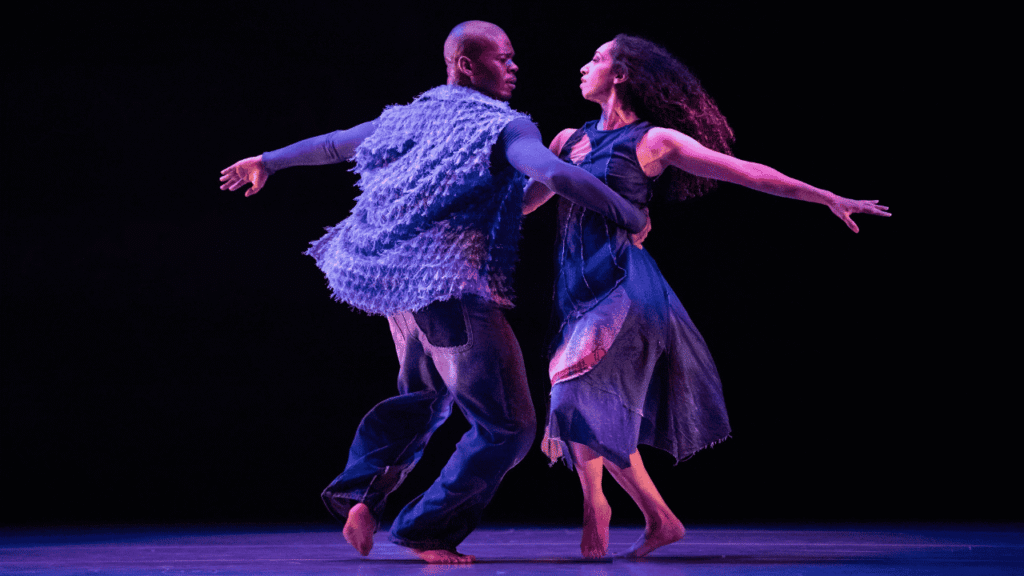
Berkeley continues to stand out as one of the Bay Area’s most active dance hubs, bringing together professional companies, independent choreographers, student performers, and community-based ensembles. The 2026 performance year reflects this diversity, offering audiences a full calendar of contemporary, classical, cultural, and experimental dance works across multiple venues.
This performance calendar is designed as a practical guide for audiences, dancers, and arts supporters who want to plan. Rather than focusing on individual ticket listings, it highlights seasonal programming trends, major performance periods, and what attendees can expect throughout the year.
Table of Contents
Performance Overview
| Season | Primary Dance Styles | Typical Venues | Audience Experience |
|---|---|---|---|
| Winter | Contemporary, modern, repertory | Large theaters | Polished productions |
| Spring | Ballet, student showcases | Campus + city stages | Narrative + technique |
| Summer | Cultural, outdoor dance | Parks + public spaces | Casual, family-friendly |
| Fall | Experimental, local works | Studios + galleries | Intimate, innovative |
Winter Performances
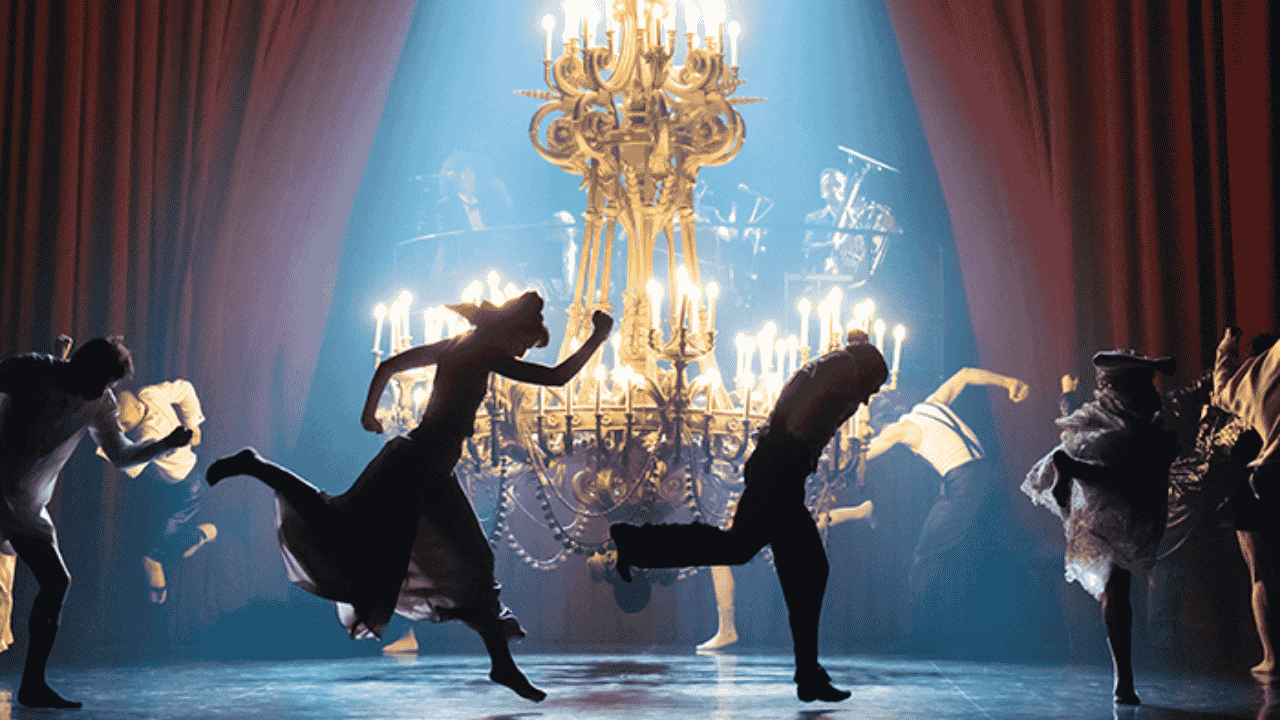
The 2026 dance season in Berkeley typically opens strong during the winter months, when established companies and touring ensembles anchor the calendar. Performances during this period often take place in large theaters with full technical support, allowing for elaborate staging, lighting, and live music collaborations.
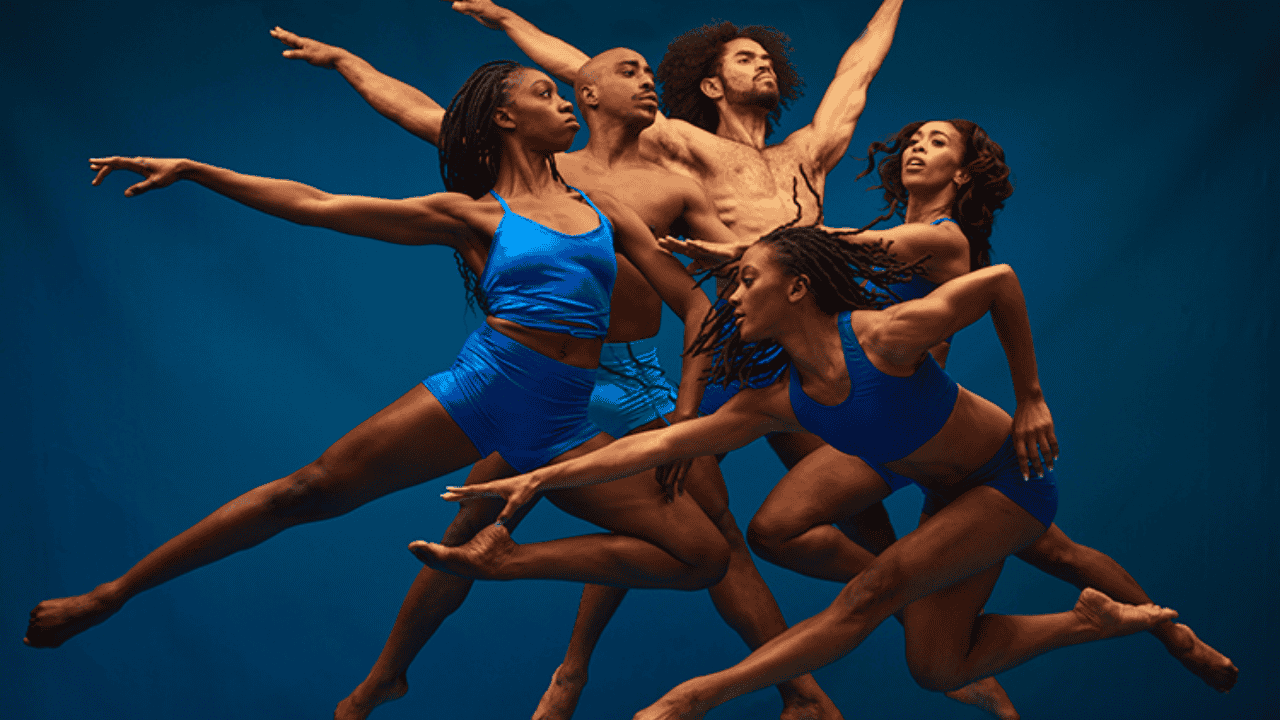
Audiences can expect repertory programs that mix classic works with newer choreography. Winter programming often appeals to viewers interested in refined technique, legacy companies, and carefully curated productions. This season is also popular for dance lovers who prefer seated theater experiences and structured performance formats.
Ticket demand during winter is usually high, so planning is recommended. Many venues offer multiple performance dates, including matinees, which are especially popular with students and older audiences.
Spring Highlights
Spring is one of Berkeley’s most dynamic dance seasons, driven by university showcases, professional residencies, and collaborative performances. This period often features ballet productions, contemporary premieres, and interdisciplinary dance works involving music, theater, or visual art.
Student-led performances play a major role in the spring calendar, giving audiences access to emerging choreographic voices and experimental formats. These shows often balance technical rigor with bold creative risks, making spring an exciting time for viewers interested in new perspectives.
- Senior showcases and capstone performances
- Mid-scale professional productions
- Narrative-driven choreography
- Mixed-bill evenings featuring multiple choreographers
Spring shows tend to be more affordable than winter productions, with many offering discounted or community-priced tickets. This makes the season especially accessible for first-time dance attendees.
Summer Programming
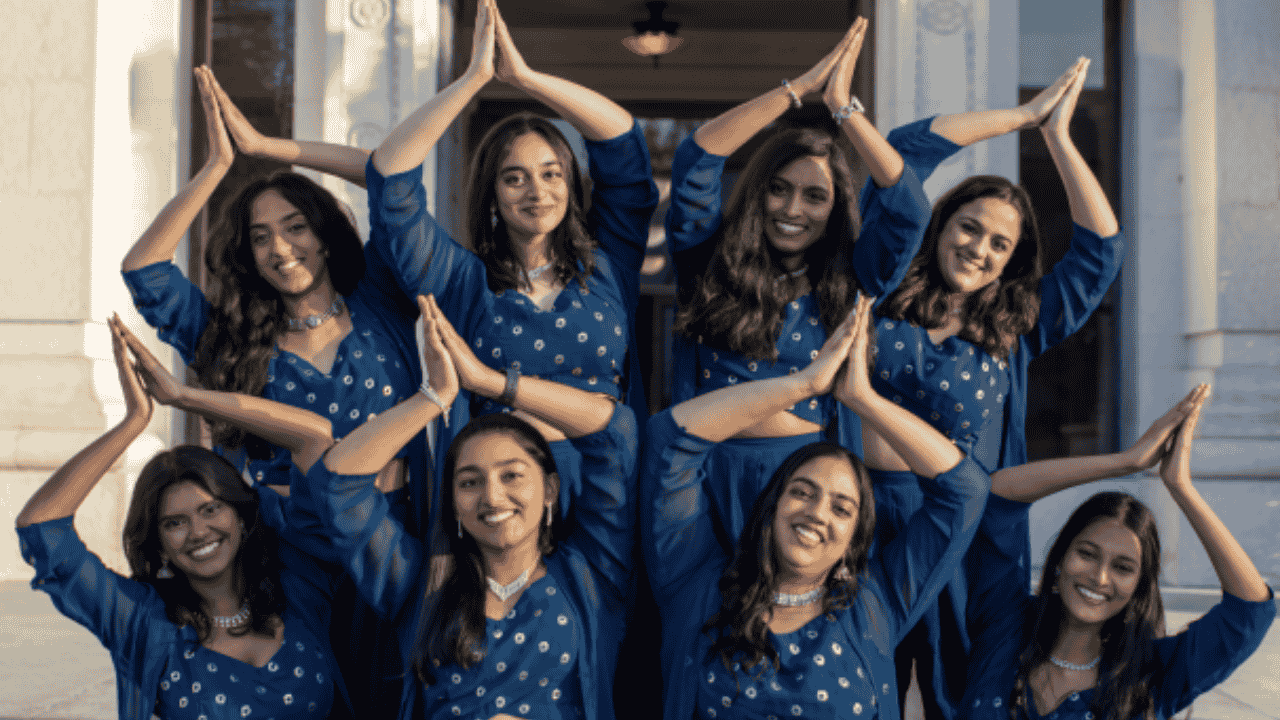
Summer dance performances in Berkeley take on a more relaxed and community-focused tone. Outdoor events, cultural festivals, and participatory performances dominate the calendar, often bringing dance directly into public spaces such as parks, plazas, and neighborhood venues.
These performances emphasize cultural traditions, social dance, and audience engagement. Rather than formal theater settings, summer shows invite casual attendance, encouraging families, passersby, and tourists to experience dance without barriers.
- Outdoor cultural showcases
- Community-led performances
- All-ages participatory events
- Informal performance settings
Summer programming is ideal for audiences who enjoy informal environments and cultural exploration. Seating may be limited or flexible, and performances often encourage audience interaction.
Fall Season
Fall marks a return to intimate and experimental performance formats. Local choreographers, independent collectives, and interdisciplinary artists take center stage, presenting works that explore process, identity, and innovation. These performances are frequently staged in studios, galleries, and alternative venues.
Fall shows often prioritize creative exploration over spectacle. Audiences may encounter unconventional staging, audience movement, or interactive elements that challenge traditional performance expectations. This season is particularly popular among dancers, artists, and those interested in contemporary movement research.
- Small-scale experimental works
- Site-specific choreography
- Collaborative performances
- Emerging artist showcases
Because venues are smaller, fall performances often sell out quickly despite lower ticket prices. Early awareness and flexibility with dates can help secure attendance.
Major Venues
Berkeley’s dance calendar is supported by a mix of large institutions and grassroots spaces, each contributing to the city’s performance ecosystem.
| Venue Type | Role In Calendar |
|---|---|
| University theaters | Host large-scale productions |
| Cultural centers | Support community dance |
| Independent studios | Showcase emerging artists |
| Outdoor spaces | Enable summer programming |
This venue diversity allows Berkeley to host both internationally recognized companies and hyper-local performances within the same year.
Planning Attendance
Planning is key to enjoying Berkeley’s 2026 dance calendar. Performance announcements are often released seasonally, with winter and spring shows scheduled earlier than summer and fall programming. Keeping track of seasonal trends helps audiences anticipate when certain dance styles are most likely to appear.
- Winter and spring favor large productions
- Summer emphasizes accessibility and culture
- Fall highlights experimentation and local voices
For those attending multiple shows, alternating between major theaters and smaller venues offers a fuller picture of Berkeley’s dance identity.
Audience Experience
Dance performances in Berkeley are known for their welcoming atmosphere and intellectual engagement. Post-show discussions, artist talks, and informal audience interactions are common, especially in smaller venues. This creates opportunities to connect more deeply with the work and the artists behind it.
Audiences are encouraged to approach performances with curiosity rather than expectations. Many shows prioritize exploration and dialogue over traditional storytelling, reflecting Berkeley’s broader arts culture.
Moving Forward
The 2026 performance calendar reflects Berkeley’s continued commitment to dance as both an artistic and community practice. From polished winter productions to experimental fall showcases, the city offers year-round opportunities to experience movement in diverse forms. For audiences willing to explore across seasons and venues, Berkeley’s dance scene delivers a rich, evolving performance landscape that rewards curiosity and engagement.