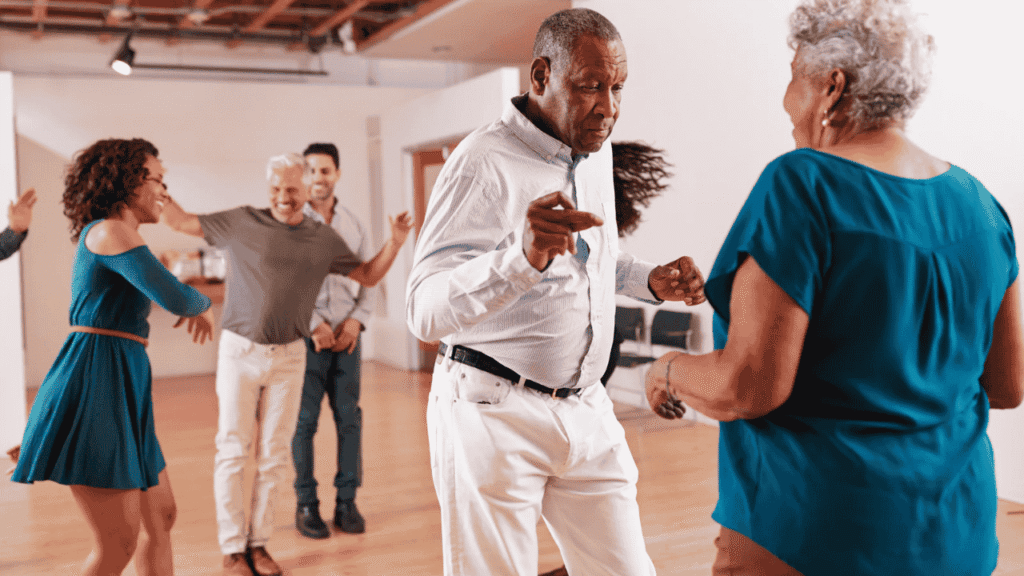
In Berkeley, dance is increasingly recognized as a valuable way for seniors to stay active, maintain mobility, and enhance overall well-being. Local studios, community centers, and university programs offer classes specifically designed for older adults, blending gentle exercise, cognitive stimulation, and social engagement. Through dance, seniors not only improve physical health but also cultivate mental sharpness, emotional resilience, and a strong sense of community.
Table of Contents
Overview of Senior Dance Programs
| Program Type | Focus & Benefits |
|---|---|
| Low-Impact Movement Classes | Gentle stretching, balance, and mobility exercises for joint health |
| Social Dance Classes | Ballroom, Latin, and partner dances fostering coordination and social connection |
| Chair & Adaptive Dance | Accessible movement for those with limited mobility or physical challenges |
| Creative & Expressive Dance | Contemporary and improvisational movement encouraging emotional expression |
| Intergenerational Programs | Opportunities to engage with younger dancers in collaborative projects |
Low-Impact Movement Classes
Many Berkeley studios offer low-impact dance classes tailored for seniors, focusing on mobility, flexibility, and balance. These sessions often combine gentle movements inspired by ballet, tai chi, or contemporary dance, reducing the risk of injury while promoting joint health and muscle tone.
Regular participation helps improve posture, strengthen core muscles, and enhance cardiovascular health. Students also report reduced stiffness and increased energy, allowing them to remain active in daily life while enjoying the social and creative aspects of dance.
Social Dance Classes
Social dance styles, including ballroom, salsa, swing, and tango, are popular among seniors in Berkeley. These classes emphasize coordination, rhythm, and partner work, offering both physical and cognitive benefits. Learning and remembering steps improves memory and focus, while the interactive, partner-based nature of social dance strengthens social bonds and reduces feelings of isolation.
Social dance classes also encourage participants to build confidence, engage with peers, and maintain an active lifestyle in a supportive environment. Performances and community dance events further enhance motivation and provide a sense of accomplishment.
Chair & Adaptive Dance
For seniors with limited mobility or specific physical challenges, chair-based and adaptive dance programs provide accessible movement options. These classes focus on upper body movement, gentle leg exercises, and rhythmic coordination while seated or using supportive tools.
Adaptive dance enables participants to experience the joy of movement safely, improving circulation, posture, and muscle strength. It also fosters creativity and self-expression, showing that physical limitations do not preclude the benefits of dance.
Creative & Expressive Dance
Contemporary and improvisational dance programs encourage seniors to explore movement as a form of emotional expression and cognitive engagement. By experimenting with creative movement, seniors can enhance problem-solving skills, self-awareness, and emotional resilience.
These classes often combine music, storytelling, and improvisation, providing participants with opportunities to convey personal experiences through movement. This approach nurtures both mental and emotional well-being while keeping seniors engaged with the arts community.
Intergenerational Programs
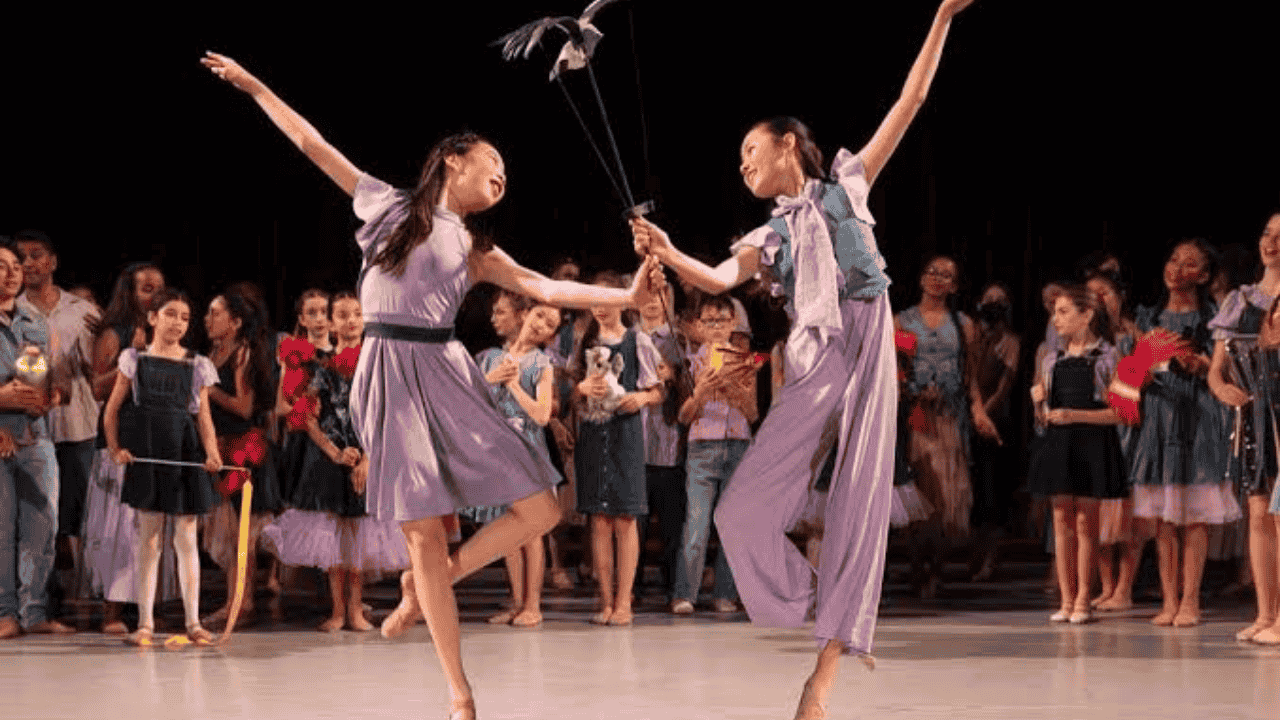
Berkeley offers intergenerational dance opportunities, connecting seniors with younger dancers through collaborative workshops, performances, and community projects. These programs foster mutual learning, encourage cultural exchange, and provide seniors with a sense of purpose and social engagement.
By participating alongside younger generations, seniors experience increased motivation, a sense of belonging, and the cognitive benefits of learning new movement styles or choreography.
Physical and Mental Benefits
Participating in dance programs helps seniors achieve:
- Improved balance and coordination, reducing fall risk
- Enhanced cardiovascular health through rhythmic movement
- Better cognitive function from memorizing choreography and sequences
- Emotional well-being through creative expression and social connection
- Increased flexibility and strength, maintaining mobility and independence
Final Analysis
Dance programs for seniors in Berkeley continue to grow, offering inclusive, engaging, and health-focused opportunities for older adults. By integrating movement, creativity, and social interaction, these programs demonstrate that age is not a barrier to staying active, mentally sharp, and socially connected. For seniors, dance provides a joyful, stimulating, and sustainable way to maintain physical health, emotional resilience, and community involvement well into later life.