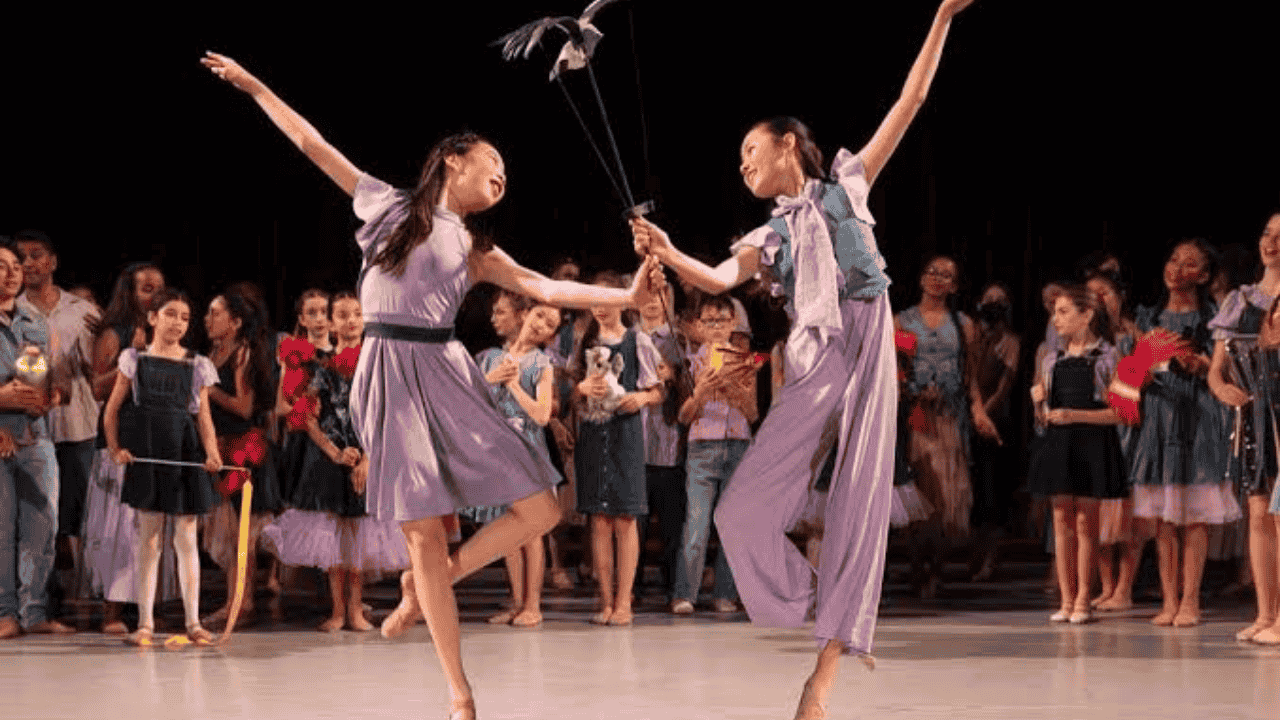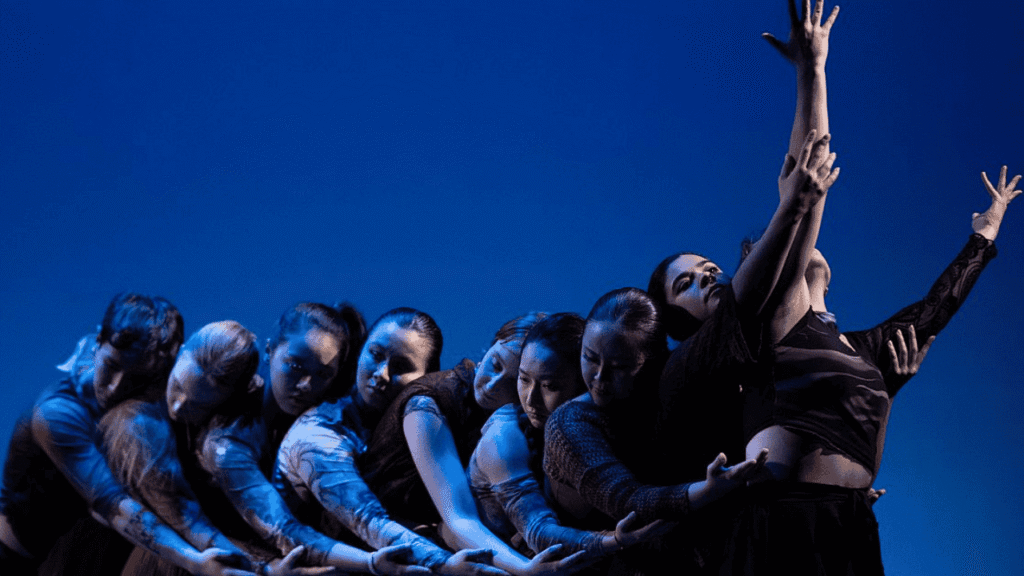
Berkeley’s dance scene in 2026 reflects a blend of cultural heritage, cutting‑edge creativity, community engagement, and wellness‑oriented movement. From social rhythms lighting up community centers to interdisciplinary performances that blur artistic boundaries, the styles trending here reveal how movement continues to shape local identity. In this guide, we explore the most popular and emerging dance styles gaining traction among movers of all ages and backgrounds in Berkeley this year.
Table of Contents
Trend Overview
| Style | Focus | Who It’s For | Where It’s Seen |
|---|---|---|---|
| Afro‑Fusion | Cultural + Contemporary | All levels | Studios, festivals |
| Bachata & Salsa | Social + Rhythm | Adults & teens | Dance socials |
| Contemporary | Expressive + Technical | Intermediate+ | Theaters, studios |
| Hip‑Hop Evolution | Street + Creative | Youth & adults | Urban classes |
| Somatic Movement | Mind‑Body | All ages | Wellness studios |
| Latin Urban | Fitness + Style | Adults | Dance fitness |
| Contact Improvisation | Interactive | Movers w/ experience | Workshops |
| Belly Fusion | Core + Flow | Adults | Community classes |
| Tech‑Integrated | Multimedia | Experimental artists | Galleries/stages |
| West African | Cultural + Energy | All ages | Community festivities |
Afro‑Fusion
Afro‑Fusion blends West African movement with contemporary forms, creating high‑energy, rhythm‑driven choreography that emphasizes groundedness, musicality, and cultural storytelling. In Berkeley, this style is thriving in both performance environments and community classes, offering opportunities to explore heritage movement alongside experimental composition. Dancers appreciate Afro‑Fusion for its inclusive nature — beginners can feel the groove while advanced movers delve into intricate patterns and syncopated rhythms.
Weekly classes and festival workshops provide spaces where community members share movement, history, and music. Whether in open jams or staged pieces, Afro‑Fusion continues to shape Berkeley’s dance culture by fostering connection and cultural appreciation.
Bachata & Salsa
- Social connection and rhythm awareness
- Partner work and lead‑follow skills
- Music‑driven expression
Bachata and salsa remain among the most popular social dance styles in Berkeley, filling studios and social halls with cadence and energy. These styles thrive in weekly classes, partner socials, and themed dance nights at community centers. They appeal to dancers who enjoy rhythm, interaction, and the joy of moving in sync with others.
Salsa and bachata also act as gateways to broader social dance explorations, encouraging dancers to learn timing, footwork, and musical interpretation. In 2026, themed nights featuring live music and mixed‑level socials have expanded participation across age groups.
Contemporary
Contemporary dance continues to be a vital force in Berkeley’s artistic ecosystem. Known for its expressive range and technical complexity, contemporary work is central to university showcases, local company performances, and experimental collaborative projects. The style emphasizes fluidity, use of space, and emotional narrative, often integrating improvisation as part of formal training.
Classes and labs in contemporary movement routinely draw movers looking to deepen their physicality, explore composition, and refine performance quality. Choreographers are also incorporating somatic principles to enrich the training, linking technical strength with internal awareness.
Hip‑Hop Evolution
Hip‑hop in Berkeley is evolving beyond classic street forms to embrace creative storytelling, freestyle culture, and fusion with other movement vocabularies. Urban classes blend locking, popping, freestyle grooves, and performance choreography, making hip‑hop an avenue for both fitness and artistic expression.
Workshops led by local and visiting artists continue to expand how dancers approach rhythm, isolation, and musical phrasing. Hip‑hop also serves as a platform for youth engagement, encouraging creative confidence and community expression through battles, jams, and showcase events.
Somatic Movement
Somatic movement practices, including Release Technique and Body‑Mind Centering, are trending among Berkeley dancers interested in mind‑body integration. These practices emphasize internal awareness, breath, sensation, and the nervous system’s role in movement. Classes are often offered in wellness studios and interdisciplinary labs where participants explore movement as a pathway to emotional balance, injury prevention, and embodied presence.
Somatic approaches appeal to movers of all ages, especially those seeking healing, functional mobility, and heightened movement intelligence. They frequently appear as complements to technique‑based training across styles.
Latin Urban
Latin Urban styles — including reggaeton, Latin pop, and fusion choreography — are gaining popularity in dance fitness and urban classes. These styles combine cardio elements with expressive rhythm, attracting adults looking for energetic, music‑centric movement. Berkeley’s studios offer rhythmic dance fitness classes that incorporate these urban Latin influences, promoting cardiovascular health and expressive freedom.
Latin Urban classes often incorporate simple choreography sequences that emphasize groove and participation, making them accessible to dancers without an extensive background, yet fun for experienced movers.
Contact Improvisation
Contact improvisation continues to be a strong trend among movers focused on weight sharing, partnership, and spontaneous movement. This practice involves elements of touch, momentum exchange, and collective exploration, emphasizing nonverbal communication and physical trust.
Workshops and jams attract a dedicated community of dancers who value experimentation and connection. Contact improvisation also intersects with somatic and contemporary approaches, creating rich opportunities for interdisciplinary exploration.
Belly Fusion
Belly Fusion blends traditional belly dance vocabulary with contemporary and world dance influences, creating a dynamic, expressive style appreciated for its emphasis on core strength, fluid isolations, and rhythmic interplay. In Berkeley, belly fusion classes are common in community centers and cultural events, drawing adults interested in movement that combines fitness with expressive artistry.
This style often features adaptive choreography that accommodates varying skill levels, making it welcoming to beginners and experienced dancers alike.
Tech‑Integrated Dance
Tech‑integrated dance — performance that incorporates projection, motion tracking, interactive lighting, and multimedia elements — is emerging as an innovative trend in Berkeley’s experimental venues and galleries. These projects push the boundaries of movement by linking dance with digital media, inviting audiences to experience choreography in immersive formats.
Artists working in this trend often collaborate across disciplines, engaging visual artists, technologists, and composers to create hybrid performance experiences that redefine how dance is presented and perceived.
West African
West African dance forms continue to flourish, celebrated through classes, drumming workshops, and festival stages. These styles offer energetic rhythms, community participation, and cultural depth, appealing to movers of all ages. Community events often pair dance with live drumming, reinforcing musicality and collective experience.
Participants value the cultural storytelling embedded in traditional movement, while instructors sometimes integrate contemporary elements to connect tradition with current creative impulses.
Choosing What Fits You
When exploring trending styles in Berkeley:
- Consider your movement goals — fitness, expression, social connection, or performance.
- Try a mix of technique‑based and social movement classes to stay versatile.
- Attend community gatherings and workshops to experience styles firsthand.
- Embrace styles that resonate with your body, rhythm, and artistic curiosity.
Last Words
As Berkeley’s dance culture continues to evolve in 2026, trends reflect a balance between cultural heritage, community participation, and artistic innovation. Whether through expressive contemporary work, rhythm‑driven social styles, or multimedia explorations, dancers in Berkeley are shaping a movement landscape that is inclusive, dynamic, and deeply connected to both local identity and global influences. The trends highlighted here are not just “what’s hot” — they signify how dance continues to enrich lives, build community, and inspire creative growth across generations.