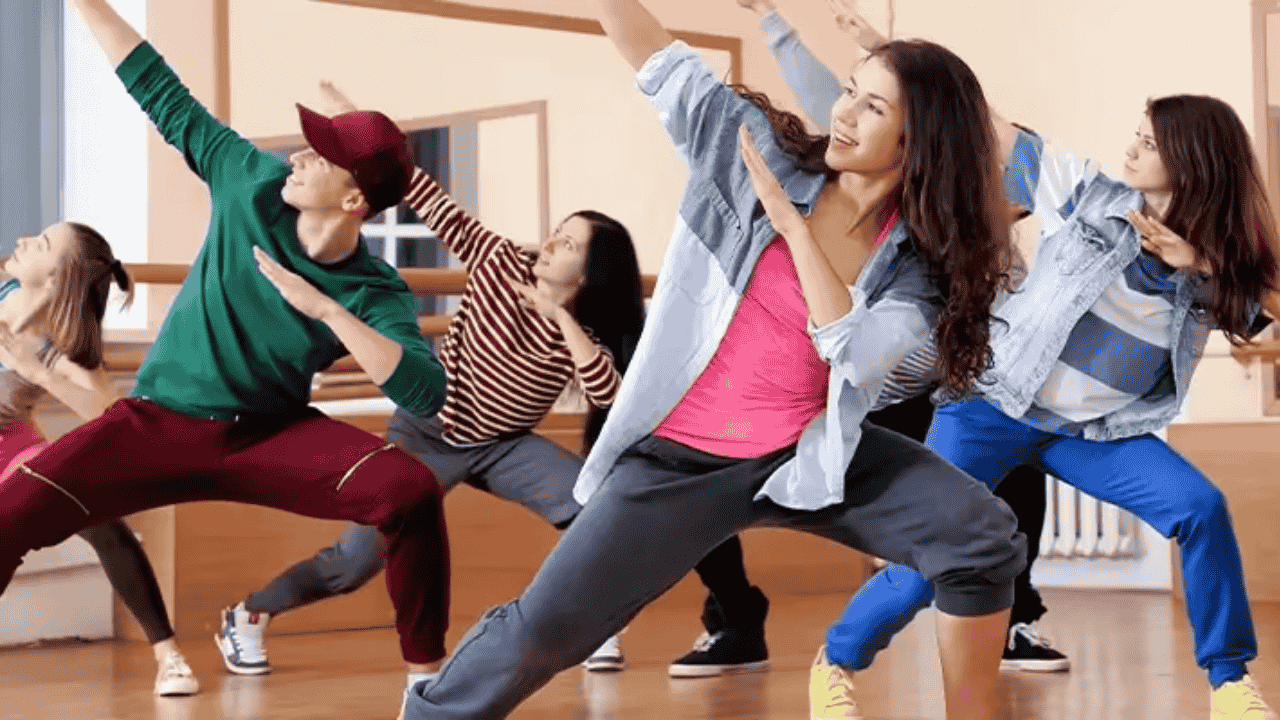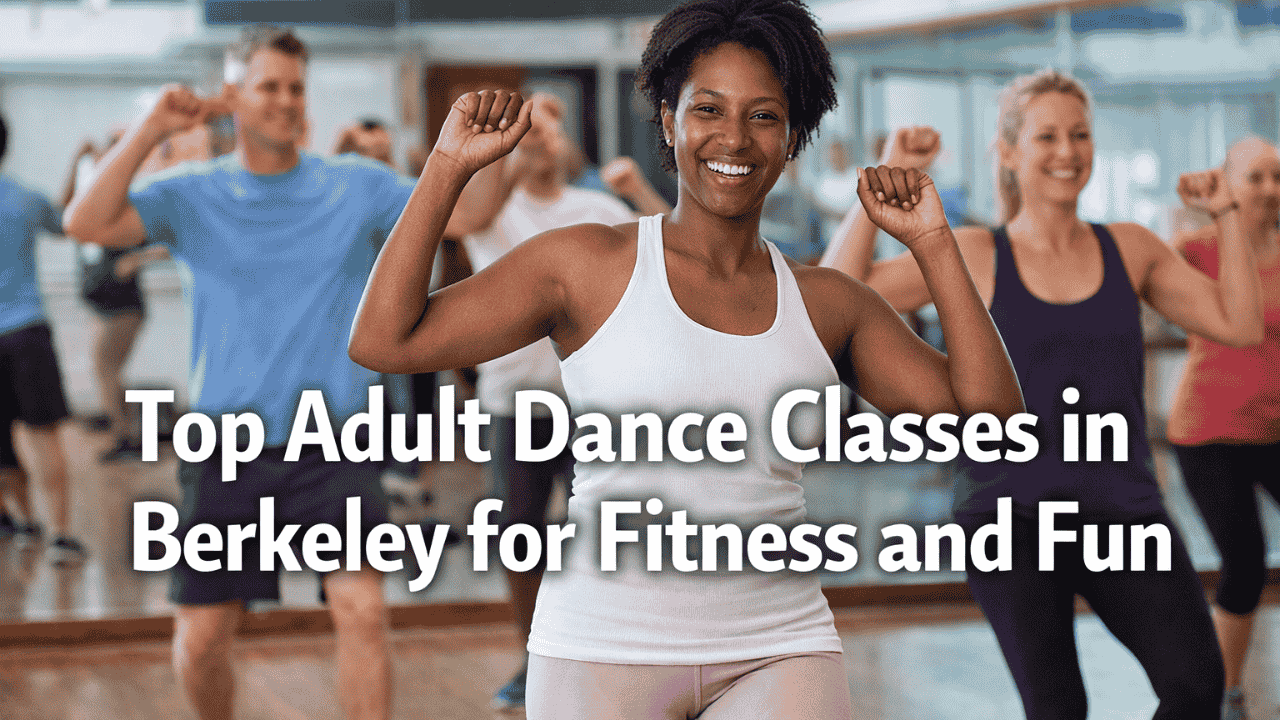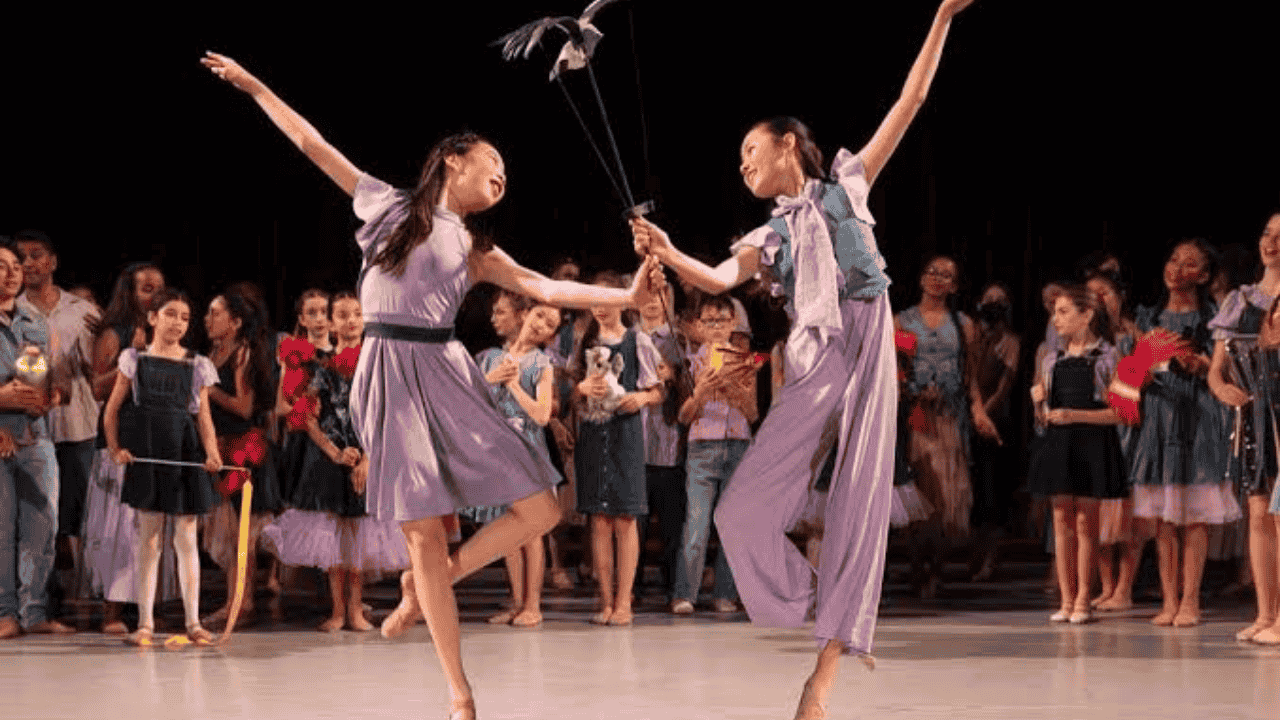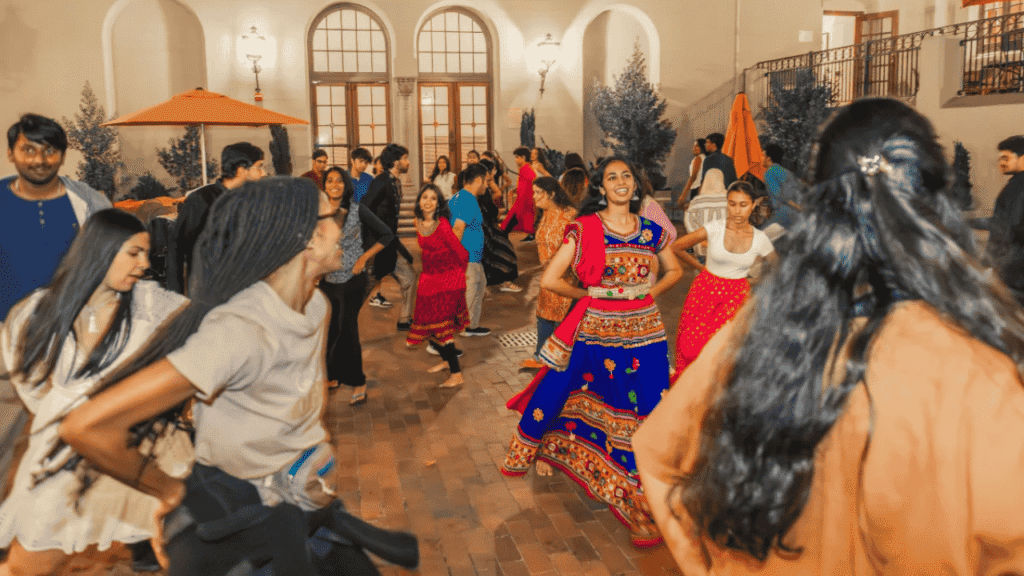
Berkeley, California, is a thriving hub for dancers, offering a combination of professional training, performance opportunities, and community engagement. The city’s diverse dance studios, inclusive programs, and supportive environment make it an ideal location for both aspiring and experienced dancers. From youth programs to advanced instruction and inspiring outdoor spaces, Berkeley provides an ecosystem where dancers can grow technically, artistically, and socially.
Table of Contents
Overview of Dance Opportunities in Berkeley
| Feature | Highlights & Benefits |
|---|---|
| Dance Studios & Academies | Ballet, contemporary, jazz, hip-hop, Latin, African, and world dance styles for all levels |
| University Programs | UC Berkeley dance curriculum offering technical and academic training |
| Community Programs | Outreach, volunteer initiatives, and youth programs fostering inclusivity |
| Performance Spaces | Studios, theaters, auditoriums, and outdoor venues for practice and showcases |
| Cultural Diversity | Access to multicultural events and inspiration for choreography |
| Outdoor Practice Locations | Parks, plazas, and scenic spots for rehearsals and dance filming |
| Networking & Mentorship | Collaboration opportunities and professional growth through community involvement |
| Festivals & Showcases | Public performances and competitions to develop stage experience |
Diverse Training Opportunities
Berkeley provides dancers with access to a wide range of training programs, from technical studio classes to university-level instruction. Facilities such as Shawl-Anderson Dance Center and MorDance cater to residents of all ages and skill levels, offering both structured curricula and creative workshops. These programs allow dancers to explore multiple styles, enhance their technique, and experiment with choreography in a supportive environment.
University programs at UC Berkeley complement community offerings by providing rigorous academic and artistic training. Students can study dance theory, history, and performance techniques while collaborating with peers, faculty, and visiting artists. This blend of academic and practical instruction ensures dancers develop a strong foundation and a versatile skill set.
Supportive Community and Networking
Berkeley’s dance community is tight-knit and welcoming, encouraging collaboration and mentorship. Volunteer-driven programs, outreach initiatives, and local festivals provide platforms for dancers to connect with instructors, peers, and audiences. Organizations such as the Berkeley Dance Board support leadership development, event planning, and community engagement, fostering professional growth alongside artistic development.
These connections are especially valuable for dancers seeking performance opportunities. Festivals, showcases, and recitals allow participants to gain stage experience, build portfolios, and share their artistry with the broader community. The city’s commitment to inclusivity ensures dancers from diverse backgrounds have equitable access to training and performance opportunities.
Access to Performance Spaces
Berkeley offers a wide range of venues for rehearsals and performances. From intimate studios to professional theaters, dancers can find spaces to refine technique, host workshops, or stage productions. Notable venues include Ashkenaz Music and Dance Center, Berkeley Repertory Theater, and university auditoriums, which provide professional settings for performances and recordings.
Outdoor locations, such as Cesar E. Chavez Park, Berkeley Marina, and the Rose Garden, offer additional rehearsal options. These spaces provide scenic backdrops, natural light for filming, and flexibility for group or solo practice, making them ideal for creative projects and social media content.
Cultural Diversity and Artistic Inspiration
Berkeley’s culturally rich environment inspires dancers to explore diverse movement traditions. Local events celebrate African, Latin, Indian, and contemporary dance, encouraging students and professionals to integrate global influences into their work. Cross-disciplinary projects linking dance with music, theater, or visual art further enhance creativity and artistic growth.
Exposure to multicultural programming promotes inclusivity, collaboration, and empathy, helping dancers develop unique artistic voices while building an appreciation for the broader community. This environment nurtures innovation and encourages dancers to take creative risks in their performances.
Quality of Life for Dancers
Beyond professional training, Berkeley offers a balanced lifestyle for dancers. Access to parks, trails, and waterfront areas allows for outdoor exercise and inspiration. Local studios are accessible via public transit, and the city provides a range of community classes and recreational activities. These amenities help dancers maintain physical fitness, explore new styles, and connect with the local arts community in a supportive, engaging setting.
In Summary
Berkeley continues to grow as a dance-friendly city, expanding programs, outreach initiatives, and collaborative projects. With its combination of training opportunities, supportive community, performance spaces, and cultural richness, the city attracts dancers who seek artistic growth, professional development, and meaningful engagement.
By living and training in Berkeley, dancers gain access to technical expertise, creative inspiration, and a vibrant network of peers and mentors. The city’s dynamic arts ecosystem ensures that dancers can thrive, explore, and contribute to a community that values expression, inclusivity, and innovation. Berkeley’s commitment to supporting artists makes it not only a place to learn and perform but a home where dancers can build lasting careers and connections.