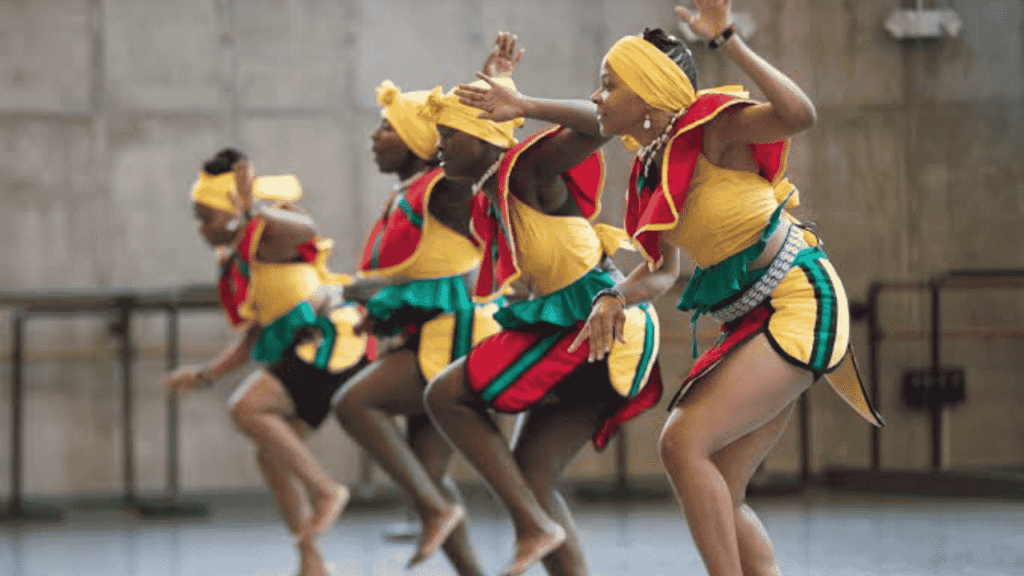
Dance in Berkeley offers more than physical fitness—it’s a powerful tool for mental health and emotional well-being. Across studios, community centers, and university programs, participants of all ages find that moving to music, learning choreography, and connecting with others can significantly reduce stress, enhance mood, and improve cognitive function. Engaging in dance combines physical activity, social interaction, and creative expression, creating a holistic approach to mental wellness.
Table of Contents
Overview of Benefits
| Benefit | How Dance Contributes |
|---|---|
| Stress Reduction | Movement and rhythmic patterns promote relaxation and release tension |
| Mood Enhancement | Music and movement trigger endorphin release, boosting emotional state |
| Cognitive Improvement | Learning choreography improves memory, attention, and problem-solving skills |
| Social Connection | Group classes foster community, belonging, and interpersonal support |
| Emotional Expression | Dance allows safe exploration and communication of feelings |
Stress Reduction and Relaxation
Participating in Berkeley dance classes helps reduce stress through physical activity, breathing techniques, and mindful movement. Focusing on rhythm, timing, and coordination allows dancers to shift attention away from daily worries, creating a meditative, immersive experience.
Many contemporary yoga-based dance and improvisation classes incorporate mindfulness principles, helping students develop greater body awareness and emotional regulation. The combination of movement and music produces calming effects that lower cortisol levels, improving overall mental health.
Mood Enhancement and Emotional Well-Being
Dance naturally elevates mood through the release of endorphins and dopamine, neurotransmitters associated with happiness and pleasure. High-energy styles such as hip-hop, Zumba, and Latin dance provide joyful, uplifting movement, while slower, expressive styles such as contemporary or ballet encourage reflection and emotional release.
Regular participation in dance helps combat anxiety and mild depression, providing participants with a positive outlet to channel energy, process emotions, and experience a sense of achievement as skills develop.
Cognitive Benefits and Learning
Learning choreography and memorizing sequences strengthens memory, attention, and executive functioning. Dance requires coordination, spatial awareness, and timing, which stimulate the brain and support cognitive flexibility.
Students and community members alike report that engaging in complex movement patterns improves focus and enhances problem-solving abilities, benefiting academic, professional, and daily life tasks. Dance also encourages creativity, helping participants think beyond habitual patterns and approach challenges with adaptability.
Social Connection and Community
Berkeley dance classes foster strong social bonds, creating a sense of belonging and support. Group classes encourage collaboration, shared goals, and positive interaction, which can reduce feelings of isolation. Social dance styles such as salsa, swing, and ballroom further strengthen interpersonal connections by emphasizing partner work and cooperative learning.
Being part of a dance community also provides mentorship and peer encouragement, enhancing confidence and reinforcing self-esteem. Students and residents often cite friendships and professional networks formed through dance as key contributors to their overall mental wellness.
Emotional Expression and Creativity
Dance provides a safe space for emotional expression, allowing participants to process feelings through movement rather than words. Creative forms like contemporary, improvisation, and experimental dance enable individuals to explore identity, narrative, and personal experience, promoting emotional resilience.
Expressive movement also helps participants confront stressors, release tension, and experience cathartic relief. By blending creativity with physical activity, dance supports both psychological and emotional growth.
Inclusive and Accessible Benefits
Berkeley offers dance programs for all ages, abilities, and skill levels, making mental health benefits widely accessible. University students, community members, and adults participate in classes that emphasize well-being, encouraging consistent engagement without pressure or competition.
Wrapping Up
Participation in Berkeley dance classes continues to be recognized as a holistic strategy for mental wellness. By combining physical exercise, creative exploration, and social interaction, dance supports stress management, emotional regulation, cognitive health, and community connection. As programs expand and evolve, more residents and students are discovering that dance is not only a form of artistic expression but a powerful tool for sustaining mental health and fostering personal growth.